Summary
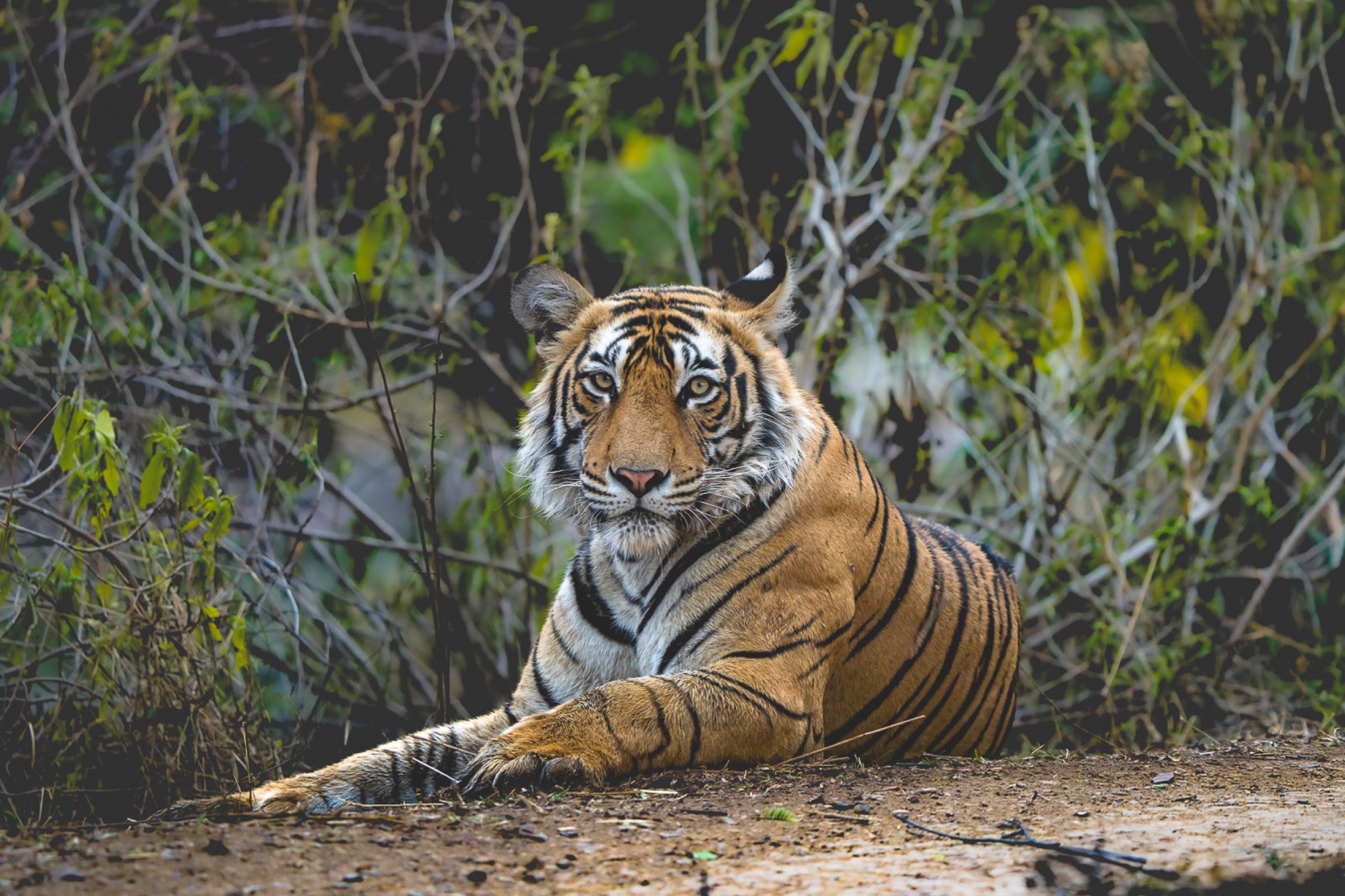
We journey into the heart of India’s wild with a dedicated tiger photography expedition in Ranthambore National Park. This iconic reserve, once the royal hunting ground of the Maharajas of Jaipur, is now a protected haven for India’s most majestic predator.
Set against a dramatic backdrop of ancient ruins, dense forest, rocky ridges, and open grasslands, Ranthambore is where history and wilderness meet. Crumbling forts and temples are woven into the jungle, creating an evocative landscape rich in atmosphere and photographic potential. Each day we track tigers through forests of dhok trees, across sun-dappled trails, and along the edges of glistening lakes. Alongside tigers, we may encounter leopards, sloth bears, marsh crocodiles, and an array of birdlife.
This expedition is crafted specifically for photographers, offering close access to wildlife, incredible scenery, and an immersive experience of one of India’s most beautiful and storied national parks.
We usually add this tour to the beginning or end of the Snow Leopard Tour . Please contact us for more information and to talk through options.
Itinerary
Radisson Blu · Delhi
Arrival in New Delhi. We will be met at the airport and transferred to our hotel. Time to rest and recover from our flight.
Tiger Den Resort · Ranthambore
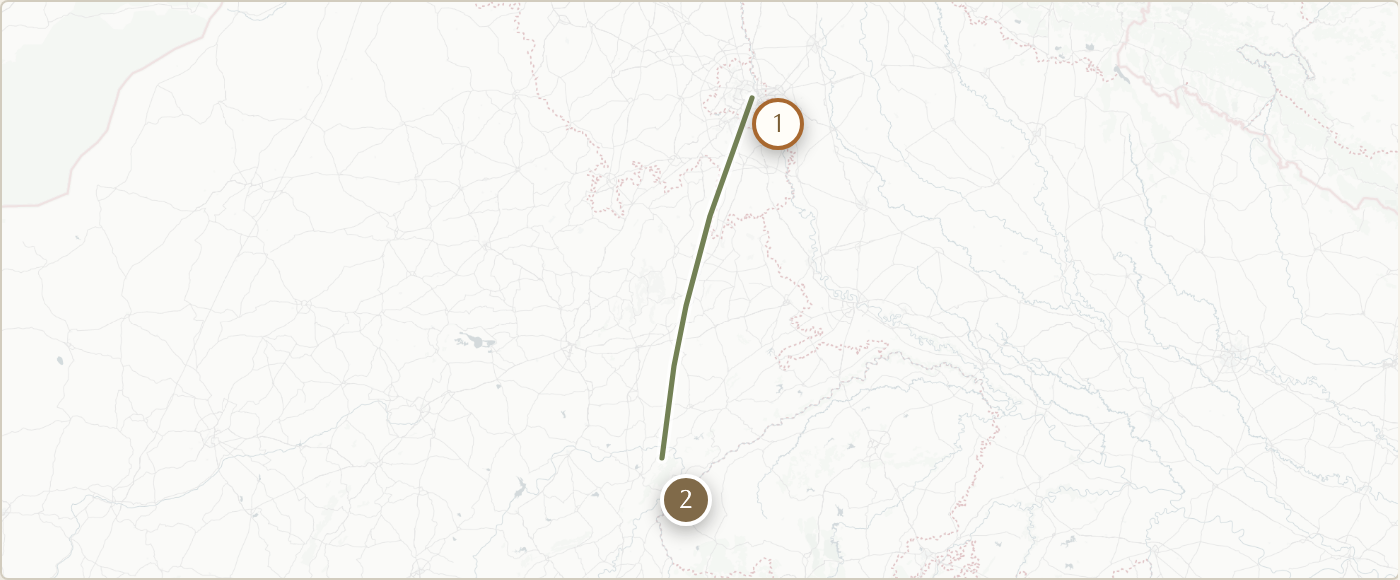
After breakfast, we drive from Delhi to Ranthambore National Park (approx. 5 hours). Afternoon at the lodge with an orientation on the tiger safari.
Tiger Den Resort · Ranthambore
We embark on daily morning and afternoon private jeep safaris inside Ranthambore. These zones are famous for their high tiger activity and dense wildlife, including sloth bears, leopards, marsh crocodiles, and hundreds of bird species.
We will track the Arrowhead and Riddhi tiger families, known for their beauty, strong lineage, and charisma. These legendary tigers have ruled central Ranthambore’s lake and fort territories for years, offering some of the best photographic opportunities in India.
After a final breakfast at the lodge, we drive back to New Delhi for our international departure. Drop-off at Indira Gandhi International Airport.
Photography notes
This is a telephoto game from an open vehicle. We shoot from Gypsy 4x4s with a driver and naturalist, so a beanbag draped over the door frame or roll bar is your real tripod — it kills engine vibration and lets you swing fast when a tiger moves. A 100–400mm or 150–600mm zoom is the workhorse and covers most encounters; pair it with a shorter body (a 24–105mm or 70–200mm) because Ranthambore's great strength is the tiger in context — walking a lake edge below the crumbling fort, framed by dhok forest or reflected in still water — and a frame-filling head shot throws that storytelling landscape away. On a good sighting you can be genuinely close, but distances are unpredictable and the animal sets the terms: keep the long lens up and a wide body round your neck rather than swapping in a hurry. A 1.4x teleconverter earns its place for birds and for tigers that hold across a nullah. March and April are the dry, hot months, and that is deliberate — as the forest browns and water shrinks back to a handful of lakes and pools, tigers come to drink and lie up in the shade near water, which is when we anticipate the best action. We are tracking the resident lineages the park is known for, the Arrowhead and Riddhi families, whose lake and fort territories sit right in the core photographic zones.
Light drives the daily rhythm and it is why we run twin drives. The gates open around first light and we push hard for the golden hour when low, warm sun rakes across the grasslands and picks a tiger's coat out of the shade; the afternoon drive gives us the same soft, directional light again as the heat drops. The middle of the day is harsh and contrasty by comparison, so watch your highlights on that orange coat and be ready to lift shadows in the forest gloom under the dhok canopy. Heat, dust and heat-haze are constant companions — haze softens anything shot at long distance across open ground, so the cleanest images come early and late and when your subject is close. Shoot fast: alarm calls from langur and spotted deer telegraph a tiger on the move, so keep shutter speed high (1/1000s and up for a walking cat, faster still for a run or a shake), lean on continuous AF and burst frames, and expect the standout moments — a tiger coming to water, cubs at play, a marsh crocodile hauled out on a bank — to unfold in seconds. Alongside the tigers we may work leopard, sloth bear, marsh crocodile and a genuinely rich bird list, so it pays to have the camera live from the moment the vehicle rolls.
What to bring
Camera equipment
- 100–400mm or 150–600mm zoom — the workhorse for tigers and behaviour from the vehicle
- A second body with a 24–105mm or 70–200mm for the tiger-in-landscape frames Ranthambore is made for (fort, lakes, dhok forest)
- 1.4x teleconverter for birds and for cats holding at distance across a nullah
- Beanbag — your primary support from the open Gypsy; a tripod is little use inside the vehicle
- Two bodies if you can, to avoid lens swaps in dust when the action is fast
- Plenty of memory cards and a laptop or backup drive for nightly downloads — twin drives fill cards quickly
- Spare batteries and a charger (long drives, lots of burst shooting)
- Rocket blower, lens cloths and a sealed bag or rain-cover — fine dust is the main threat, not rain, so change lenses as little as possible and keep gear bagged between sightings
Clothing
- Lightweight, breathable layers in muted, neutral colours (khaki, olive, brown) — avoid bright colours and white
- A light fleece and a windproof top for the pre-dawn start — early drives, especially in March, can be cool in the open vehicle before the sun climbs, though the days themselves turn hot
- Sun hat with a brim, polarised sunglasses and high-factor sunscreen for the harsh midday hours
- Buff or scarf and a lightweight mask to keep trail dust out of your face and off your gear
- Comfortable closed shoes or trainers and a light long-sleeve shirt for sun and insect cover
- If you are pairing this with the Snow Leopard tour, pack that separately — Ladakh is high-altitude winter cold and needs a completely different, expedition-grade kit
Documents, health & practical
- Valid passport plus an Indian e-Visa (or visa) arranged before travel — sort this well ahead
- Bring your passport on every drive — park entry permits are issued against your passport details
- Check routine travel vaccinations are up to date and speak to a travel clinic; parts of India carry a malaria risk, so ask about anti-malarials and bring a good insect repellent
- Comprehensive travel insurance covering photography gear and any pre/post add-on tours
- Personal medical kit: rehydration salts, sun and lip protection, hand sanitiser and any personal medication — the dry-season heat makes hydration a real priority
- A universal travel adapter for Indian sockets and a power bank for long drive days
Inclusions / Exclusions
Inclusions
What is included in the tour cost:
- All vehicle transfers
- All inclusive accommodation and meals
- Expert wildlife driver and guide
- All community and park permits
Exclusions
Not included in the tour cost:
- International flights to New Dehli
- India visa
- Personal travel and health insurance
- Cold weather gear and clothing (we will discuss this on a call prior to departure)