Summary
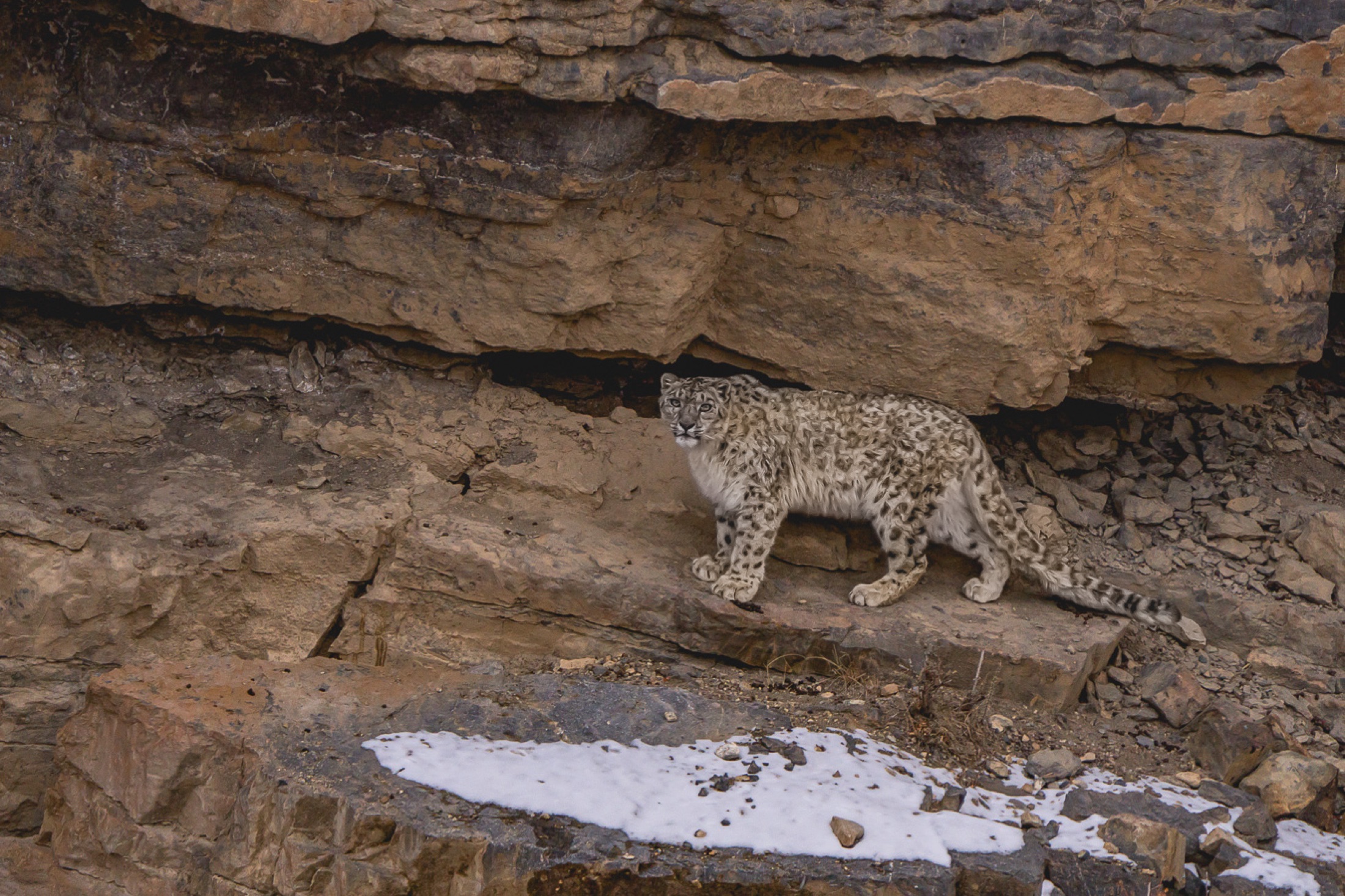
Journey deep into the remote, snow-covered landscapes of Spiti Valley in Himachal Pradesh, India — one of the best places in the world to photography the “ghost of the mountains.” Each winter, as prey species like Bharal and Himalayan Ibex descend from high altitudes in search of grazing, so too do the Snow Leopards. This seasonal movement offers rare opportunities to track and photograph these iconic big cats in their natural habitat.
Set in Kibber Wildlife Sanctuary, this tour is not only about wildlife — we will also experience the raw beauty of the Himalayas and the rich Buddhist culture of the region. This expedition is designed for wildlife photographers, with experienced spotters, guides, and support staff ensuring every chance to capture extraordinary images — not only of Snow Leopards, but also Himalayan Red Fox, Blue Sheep, Golden Eagles, and other high-altitude species.
This is an intimate, physically demanding but deeply rewarding expedition into one of the most majestic ecosystems on Earth.
We usually add this tour to the beginning or end of the Ranthambore Tiger Safari . Please contact us for more information and to talk through options.
Itinerary
Radisson Blu · Delhi
Arrival in New Dehli.
Rampur
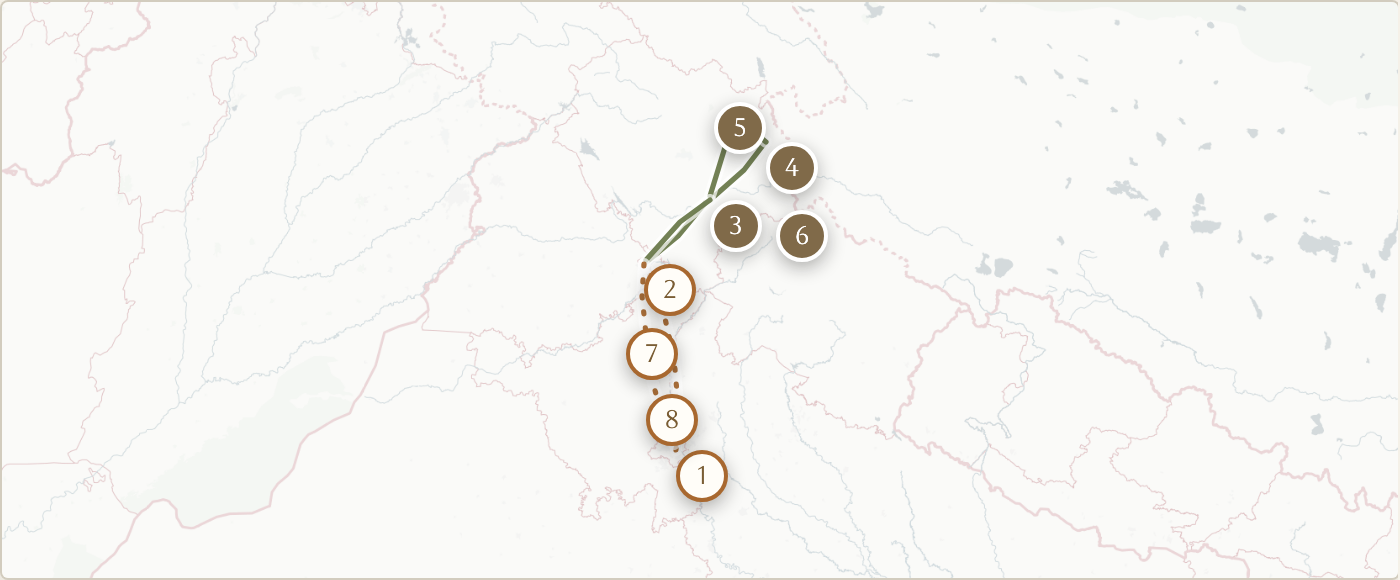
Flight to Chandigarh, early morning pick-up and drive to Rampur in Himachal Pradesh (Approx. 250 km / 7–8 hrs).
Tabo
Drive from Rampur to Tabo (Approx. 250 km / 6–7 hrs). This is a long but scenic route through the Trans-Himalayan landscape.
Norling Homestay · Spiti (Kibber)
Drive from Tabo to Kibber, with a stop at the historic Ki Monastery. Continue up the road to Kibber Village. Arrival and rest for altitude acclimatisation.
Norling Homestay · Spiti (Kibber)
We track the Himalayan Snow Leopard with our local expert team. These days will involve early starts, long hours in the field, and flexible movements based on sightings and weather. Wildlife highlights may include Snow Leopard, Golden Eagles and Himalayan Vulture, Himalayan Red Fox, Blue Sheep, Himalayan Ibex.
Rampur
Drive from Kibber to Rampur.
Radisson Blu · Delhi
Depart Rampur and drive back to Chandigarh (Approx. 250 km / 7–8 hrs). Drop-off at Chandigarh Airport for flight back to New Dehli.
International departure from New Dehli.
Photography notes
Snow leopard photography is long-lens work at distance — be honest with yourself about that before you commit. In the Kibber Wildlife Sanctuary the cats are usually found across a valley or high on the opposite slope, spotted first by our local team through spotting scopes and then held while we set up. Your working range is a 500mm, 600mm or a 400mm with a 1.4x/2x on a full-frame body; a 100-400mm or 200-600mm zoom is the most versatile single lens because sightings vary from a distant cat on a skyline to, occasionally, one much closer along a ridge. Bring a wider lens too (24-70mm or 16-35mm) — some of the strongest frames are the cat tiny in an immense wall of snow, rock and prayer flags, and the same lens covers Ki Monastery, Kibber village and the Trans-Himalayan landscape you drive in through. This is tripod-and-gimbal shooting, not beanbag-from-a-vehicle: we glass the slopes from fixed vantage points, so a solid tripod, a gimbal or good ball head, and warm patience are what earn the picture. Anticipate long static waits punctuated by fast action — a cat on the move between rock, a stalk on blue sheep, or the descent to a kill — so keep shutter speed up (1/1000s and faster for movement), watch for pale fur against pale snow fooling your meter, and expect to work at higher ISOs in flat overcast and shaded gullies.
The season is deep Himalayan winter, January to March, and that is deliberate: as bharal (blue sheep) and Himalayan ibex drop to lower grazing, the snow leopards follow, which is what makes Spiti one of the few realistic places on Earth to photograph the 'ghost of the mountains'. Days are short and cold — well below freezing, often -15 to -25C or colder with wind — so light is the low, raking kind through the middle of the day rather than a conventional dawn-to-dusk golden window, and clean snow simplifies backgrounds beautifully. Cold destroys battery life, so cycle spares kept warm against your body, and let gear temperature-equalise in a sealed bag before bringing it into a heated room to avoid condensation. Kibber sits high and the days are physically demanding on thin air, so the picture-taking is as much about staying warm, still and alert for hours as it is about technique. Beyond the leopard, keep a body ready for Himalayan red fox in fresh snow, golden eagle and Himalayan vulture riding the thermals, and the blue sheep and ibex herds that are the whole reason the cats are there.
What to bring
Camera equipment
- 500mm/600mm prime or a 100-400mm / 200-600mm zoom on a full-frame or high-quality mirrorless body — the working range for cats held at distance across the valley
- 1.4x and 2x teleconverters for the far, skyline sightings
- Wide to standard zoom (16-35mm / 24-70mm) for the cat-in-landscape frame, plus Ki Monastery, Kibber and the drive-in scenery
- Sturdy tripod with a gimbal or solid ball head — this is fixed-vantage, glass-the-slopes shooting, not beanbag-from-a-vehicle
- A second body so you are not changing lenses in cold, dusty, blowing-snow conditions
- Spare batteries (at least double what you think) kept warm inside a jacket pocket — cold flattens them fast
- Plenty of memory cards and a nightly backup drive; power banks and universal adapter, as village power can be intermittent
- Lens cloths and a sealable bag to temperature-equalise gear before taking it into heated rooms (avoids condensation)
- Your own binoculars — you'll spend hours finding and following animals at distance before the camera comes up
Clothing
- Expedition-grade down parka over a merino/wool base layer and fleece/insulated mid layers — deep sub-zero cold with wind is the defining condition
- Windproof, waterproof shell (jacket and salopettes/over-trousers) for standing still in exposed positions for hours
- Insulated, waterproof boots rated well below -20C, plus warm wool socks and spares
- Two-layer glove system — thin liners you can shoot in, with expedition mitts over the top; consider chemical hand and toe warmers
- Warm hat/beanie, neck gaiter or balaclava, and sunglasses or goggles (glare off snow at altitude is fierce)
- Thermal underwear and a change of dry base layers; a warm hat for cold rooms in the evenings
- High-SPF sunscreen and lip balm — high-altitude winter sun burns even in the cold
Documents, health & practical
- Valid passport and Indian visa arranged in advance; keep printed and digital copies of passport, visa and insurance
- Comprehensive travel insurance that explicitly covers high altitude and remote-area evacuation
- Altitude: Kibber sits high in the Trans-Himalaya — the itinerary builds in an acclimatisation day, so ascend steadily, hydrate hard, avoid alcohol early on, and speak to your doctor about acetazolamide (Diamox) and a personal medical kit before travel
- Personal medicines, painkillers, rehydration salts and remedies for stomach upsets and colds; a good headlamp with spare batteries for early starts and dark returns
- Insulated flask for hot drinks in the field and high-energy snacks for long, cold days out
- Respect the region's living Buddhist culture — dress modestly at Ki Monastery and other sites, and ask before photographing people
- If combining with the Ranthambore tiger extension, pack a lighter warm-weather layer and dust protection for camera gear as well
Inclusions / Exclusions
Inclusions
What is included in the tour cost:
- All internal flights and vehicle transfers
- All inclusive accommodation and meals
- Expert wildlife guides, trackers, and spotters
- Field team & support staff including porters
- All community and park permits
Exclusions
Not included in the tour cost:
- International flights to New Dehli
- India visa
- Personal travel and health insurance
- Cold weather gear and clothing (we will discuss this on a call prior to departure)