Summary
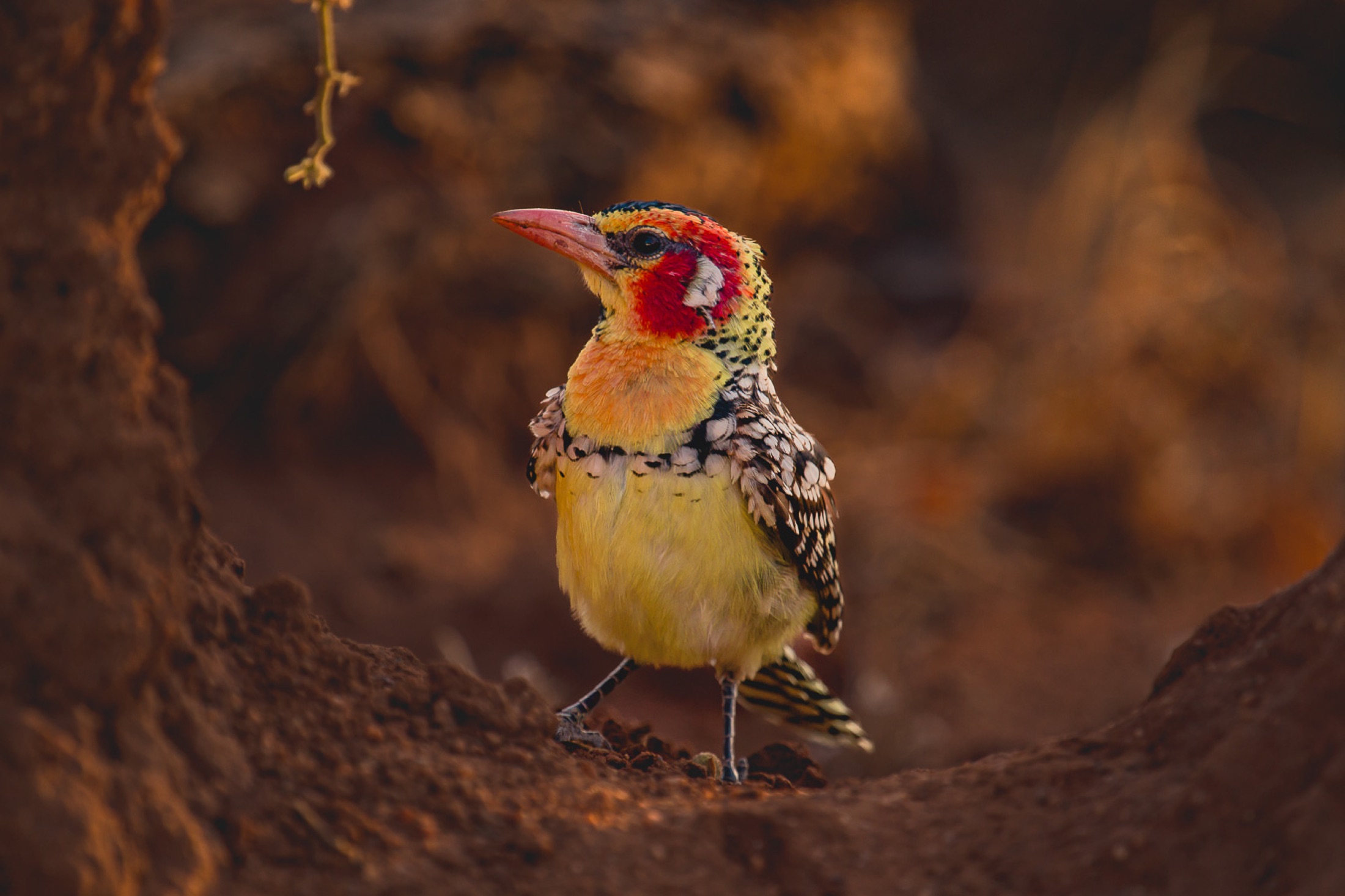
Join us for a Samburu wildlife photo tour. Located in the arid north of Kenya, Samburu National Reserve is a rugged and remote wilderness that offers a unique safari experience. Samburu offers the chance to see unique wildlife including the Grevy’s zebra, reticulated giraffe, Somali ostrich, Gerenuk, Beisa oryx and vulturine guineafowl.
This tour focuses on photographing this unique wildlife in their landscape. We will also focus on leopard, who live among rocky outcrops that make for a dramatic photograph.
We usually add this tour to the beginning or end of a Maasai Mara safari. Please contact us for more information and to talk through options.
Itinerary
Ashnil Samburu
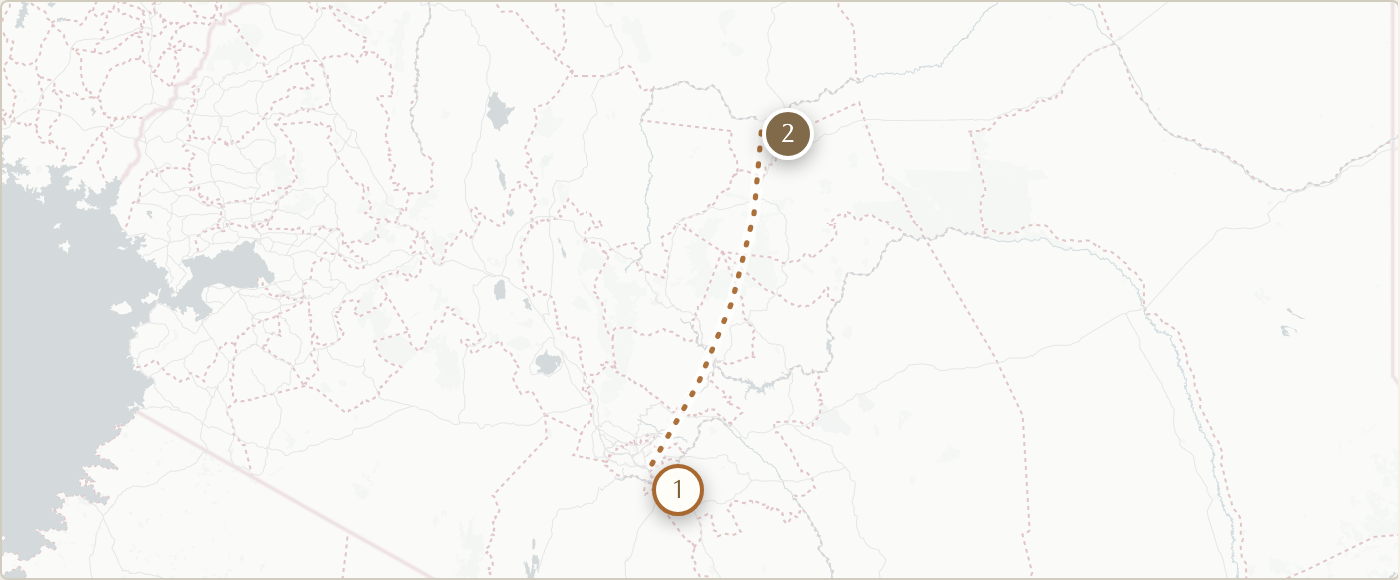
We drive from Nairobi to Samburu, to arrive in time for lunch on the first day. We meet for tea and biscuits at 4 pm and start our afternoon safari at 4:30 pm, with our focus on the unique Wildlife of Samburu and Northern Kenya. This includes the Grevy’s zebra, reticulated giraffe, Somali ostrich, Gerenuk, Beisa oryx and vulturine guineafowl.
Ashnil Samburu
We start the morning safari at 6.30 am, following tea and coffee. We will return to the camp for lunch and to rest during the heat of the day. We then depart on an afternoon safari at 4.30 pm.
Following a morning safari, we drive back to Nairobi for our international flight.
Photography notes
We shoot almost everything from the vehicle, so a beanbag over the window frame or door is your primary support, not a tripod — it steadies a big lens without the setup time you can't afford when a gerenuk stands up to browse or a vulturine guineafowl walks into good light. A 100–400mm or 150–600mm zoom is the workhorse here and covers most of what Samburu gives you: reticulated giraffe, Grevy's zebra, Beisa oryx and Somali ostrich are often approachable enough that you'll want to pull back to place them in the arid, doum-palm-and-red-earth landscape that makes this reserve look like nowhere else in Kenya. Keep a 500 or 600mm (or a 1.4x converter) to hand for the smaller and more wary subjects — the barbets, woodpeckers and flycatchers on your target list, distant leopard, and the Ewaso Ng'iro riverine birds. A second body with a wider zoom (24–70 or 24–105) earns its place for the herd-in-landscape frames and for the scale of the country itself.
The reserve is close to the equator, so the light is hard and the day is short at both ends — our 6:30am and 4:30pm game drives are built around that. Mornings give you low, warm side-light and the coolest, most active hour before the heat pushes everything into shade; we rest through the midday glare and go out again as the sun drops, when backlit dust and the low sun through the acacias reward you for exposing for the highlights and letting the shadows go. October to February is the drier, more photogenic window: animals concentrate on the river and the remaining green, dust and heat-haze build the atmosphere, and the light stays usable longer at the edges of the day. Leopard is the patient game — they favour the rocky kopjes and riverine thickets, so we work known outcrops in the good light and are ready to shoot fast and at higher ISO if one shows in shade; a resting cat on a dramatic rock is the frame we're hoping for. Anticipate behaviour rather than chase it: gerenuk balancing on their hind legs to feed, oryx and Grevy's coming to water, guineafowl in that electric-blue morning light. Watch your shutter speed for birds in flight and for the constant heat shimmer, which will soften long-lens shots through the middle of the day more than any lens will.
What to bring
Camera equipment
- 100–400mm or 150–600mm zoom — the workhorse for Samburu's approachable plains game and the reach to reframe as animals move
- A longer 500/600mm or a 1.4x teleconverter for wary birds (barbets, woodpeckers, flycatchers), distant leopard and riverine subjects
- Second body with a 24–70 / 24–105 wide-to-standard zoom for herd-in-landscape frames and the arid scenery
- Beanbag for the vehicle — your main support over the window frame or door; a tripod is rarely useful here
- Plenty of memory cards, a laptop or portable drive and a routine of backing up every night
- Spare batteries and chargers — charging is generally from camp power, so top up whenever you're in
- Sensor-cleaning kit, blower and lens cloths — fine red dust gets everywhere; change lenses as little as possible
- A rain cover or dry bag for the short showers, and a polariser for cutting midday glare off water and foliage
Clothing
- Lightweight, breathable long-sleeved shirts and trousers in neutral, muted colours (avoid bright white and dark blue/black)
- A light fleece or jacket for the cool early-morning drive before the sun climbs — mornings are mild, not cold, but you'll want a layer
- Wide-brimmed hat, high-factor sunscreen and good sunglasses — the equatorial sun is fierce once it's up
- A light dust scarf or buff to keep grit off your face and gear on dusty tracks
- A light waterproof or packable shell in case of a short-rains shower
- Comfortable closed shoes for around camp and the odd short walk; nothing here demands hiking boots
Documents, health & practical
- A passport valid for at least six months with blank pages, plus a Kenya eTA / e-visa arranged before travel
- Antimalarial prophylaxis and a good insect repellent — speak to your travel clinic well ahead of the trip
- Check current vaccination advice with your clinic; yellow-fever certificate may be required depending on your routing
- Comprehensive travel insurance that covers photographic equipment and medical evacuation
- A small personal first-aid kit, any prescription medication in its original packaging, and rehydration salts for the heat
- Some US dollars in cash for tips and incidentals, and note that internet and phone signal in the reserve are limited
Inclusions / Exclusions
Inclusions
What is included in the tour cost:
- call prior to our departure, with John Haskew, to run through preparations, kit and ensure we are ready to start photographing before arriving
- Meeting on arrival at Nairobi and transfer to hotel on the first night
- Bed and breakfast at the hotel on the first night
- All road transfers and internal flights in Kenya
- Full board accommodation for the duration of the stay in Kenya
- House wines, beers, local spirits and soft drinks
- Park fees
- Community fees
- Experienced, qualified local guide
Exclusions
Not included in the tour cost:
- International flights to Nairobi (BA flights recommended if flying from the UK)
- eTA (electronic travel authorisation) – cost US$ 34 / GBP£ 27)
- Personal travel and health insurance