Summary
Nestled between the rolling foothills of the Aberdare Range and the dramatic peaks of Mount Kenya lies Solio Ranch, one of Kenya’s hidden gems. Renowned for its vital role in rhino conservation, Solio is a sanctuary for black and southern white rhino, and visitors are treated to an unforgettable safari experience.
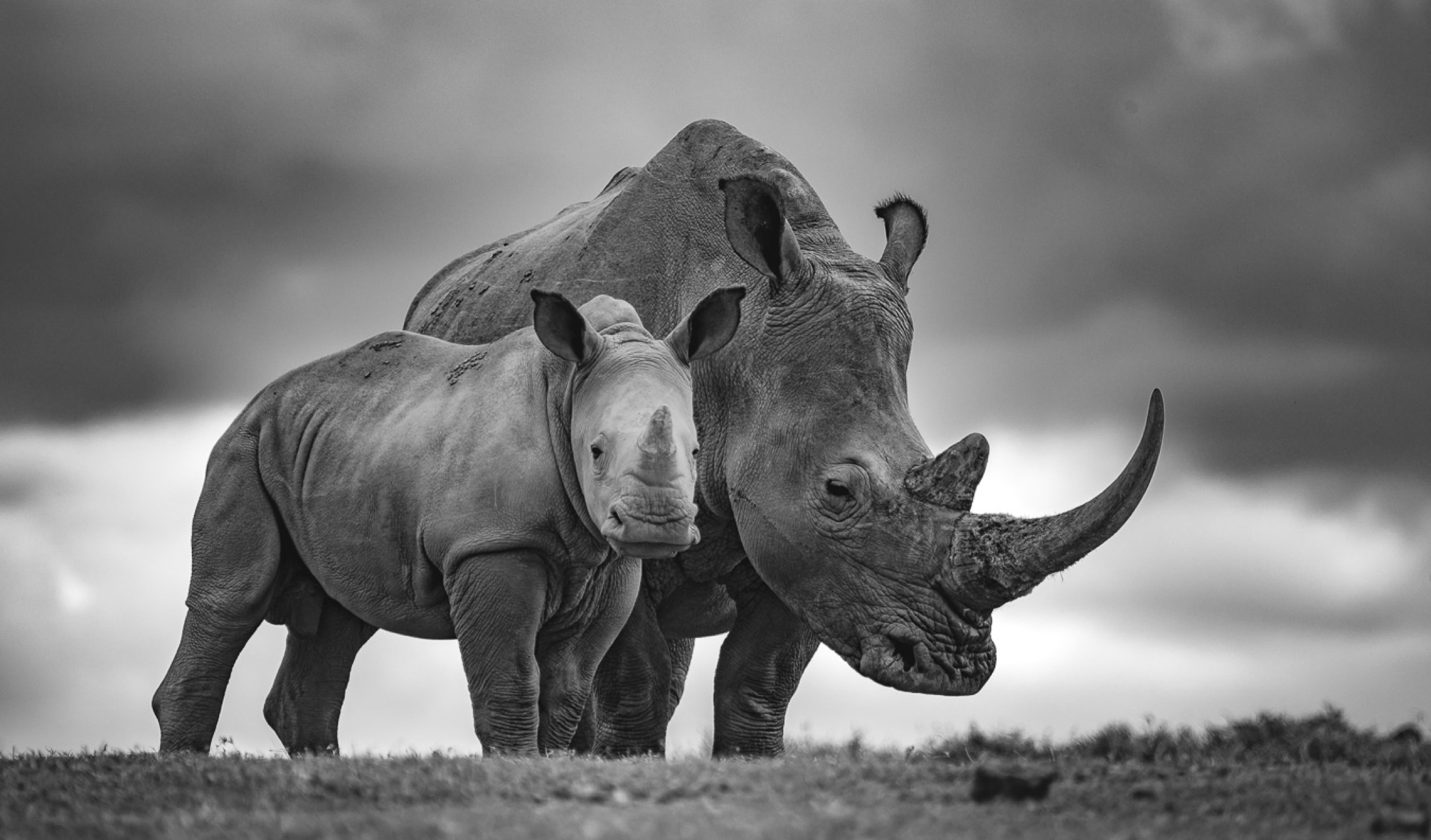
This tour focuses on photographing rhino in their landscape. We focus on classic portraits, rhino in their landscape and a combination of fine-art black and white and colour photography.
We usually add this tour to the beginning or end of a Maasai Mara safari. Please contact us for more information and to talk through options.
Itinerary
Rhino Watch Lodge · Solio
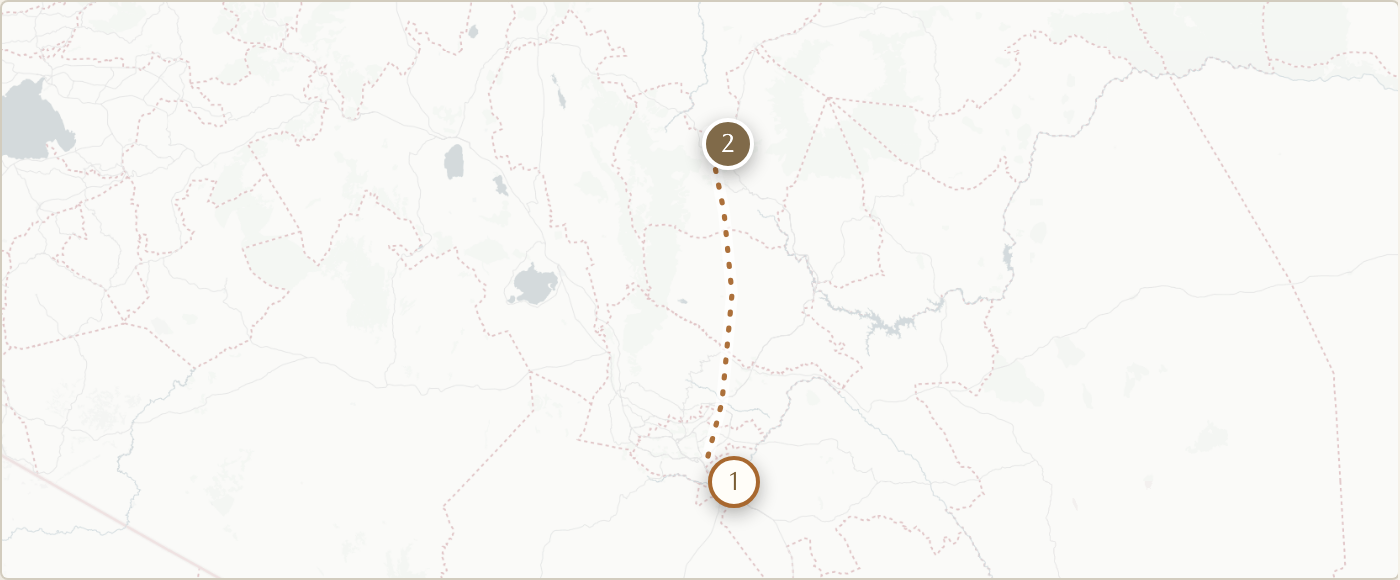
We drive from Nairobi to Solio, to arrive in time for lunch on the first day. We meet for tea and biscuits at 3 pm and start our afternoon safari at 3:30 pm, with our focus on the rhino. We ensure our days are focused on photographing rhino in different habitats of Solio, including the yellow acacia forests and open plains.
Rhino Watch Lodge · Solio
We start the morning safari at 6.00 am, following tea and coffee, again focused on rhino in different habitats and lighting. We take lunch in the reserve and spend a full day at Solio to maximise photographic opportunities and capturing great wildlife images. We will visit the Rhino Orphanage which cannot be missed!
After breakfast, we drive back to Nairobi for our international flight.
Photography notes
Solio is a rhino sanctuary rather than a chase, and that changes how we shoot. From the open vehicle a 100-400mm zoom is the workhorse: the long end for the classic head-and-horn portrait and the eye-and-ear detail, the wider end for the shot that really defines Solio, a single rhino small in its landscape against the Aberdares to the west and the snow on Mount Kenya to the east. Bring a 24-70mm or similar for those environmental frames and for the fine-art black-and-white compositions we work on here, where the animal's mass and the graphic line of horn against sky matter more than reach. A beanbag over the door frame steadies the long lens far better than a tripod in the vehicle; we shoot down the barrel of the light, keeping the sun low and behind us early and late. Expect to work close on the white rhino, which graze the open plains in loose groups and tolerate the vehicle well; the black rhino are the prize, warier and more solitary, browsing the edges of the yellow-barked acacia woodland, so anticipate a longer lens and more patience for them.
August and September fall in the drier of Kenya's seasons on the Laikipia plateau, so mornings are cold and often start with mist and low cloud burning off the foothills, which gives us soft, directional light and the chance of a rhino emerging from ground fog. We start the morning drive at first light for that window and again through the last hour before dusk, when the acacia forest goes gold and the dust the animals kick up backlights beautifully. The middle of the day is hazy and high-contrast, better used for the Rhino Orphanage visit and for scouting than for portraits. At around 1,900 metres the air is clean and clear but the light is harsh once the sun climbs, so we plan the good frames around the edges of the day. Watch for behaviour to build a story: mothers with calves, mud-wallowing, sparring and the slow head-swinging browse of a black rhino working an acacia. Keep shutter speed up for the surprisingly quick pivot-and-trot of a disturbed animal, and expect fine red dust everywhere, so we change lenses sparingly and in the lee of the vehicle.
What to bring
Camera equipment
- 100-400mm (or 100-500mm) telephoto zoom as the main lens for portraits and behaviour from the vehicle
- 24-70mm or similar wide-to-standard zoom for rhino-in-landscape frames and fine-art black-and-white compositions
- A second body if you have one, so you can keep a long lens and a wide lens ready without swapping in the dust
- Beanbag for shooting over the vehicle door and window frame (steadier than a tripod inside the vehicle)
- Plenty of memory cards and a laptop or backup drive to offload and edit each night
- Spare batteries and chargers, plus a UK three-pin (Type G) adapter, which is the plug standard in Kenya, for camp power
- Rocket blower, lens cloths and a sealed dry-bag or dust cover for the fine red plateau dust
- Polarising filter to cut haze and lift the sky in the middle-of-day landscape shots
Clothing
- Layers for cold early mornings at altitude, a fleece or light down over a shirt, that come off as the day warms
- Neutral, muted colours (khaki, olive, brown), avoiding bright white and dark blue and black
- Lightweight, breathable long-sleeved shirts and trousers for sun and dust protection
- A warm hat and light gloves for the pre-dawn start on the open vehicle, plus a wide-brimmed sun hat for later
- Buff or scarf to keep dust off your face and camera while driving
- Sunglasses and high-factor sunscreen for the strong equatorial-highland sun
- Closed walking shoes and a light waterproof or windproof shell for the exposed drives
Documents, health & practical
- Valid passport with at least six months' validity and blank pages, plus a Kenya entry authorisation arranged before travel
- Check current malaria guidance with your travel clinic; Laikipia sits high and drier but take medical advice on prophylaxis
- A yellow-fever certificate may be required depending on your routing, so confirm with your clinic before you travel
- Travel insurance that covers remote medical evacuation
- Personal medications, rehydration salts, and basics for sun, dust and minor scrapes
- US dollars in small, recent notes for tips and extras, plus a card for anything larger
Inclusions / Exclusions
Inclusions
What is included in the tour cost:
- call prior to our departure, with John Haskew, to run through preparations, kit and ensure we are ready to start photographing before arriving
- Meeting on arrival at Nairobi and transfer to hotel on the first night
- Bed and breakfast at the hotel on the first night
- All road transfers and internal flights in Kenya
- Full board accommodation for the duration of the stay in Kenya
- House wines, beers, local spirits and soft drinks
- Park fees
- Community fees
- Experienced, qualified local guide
Exclusions
Not included in the tour cost:
- International flights to Nairobi (BA flights recommended if flying from the UK)
- eTA (electronic travel authorisation) – cost US$ 34 / GBP£ 27)
- Personal travel and health insurance