Summary
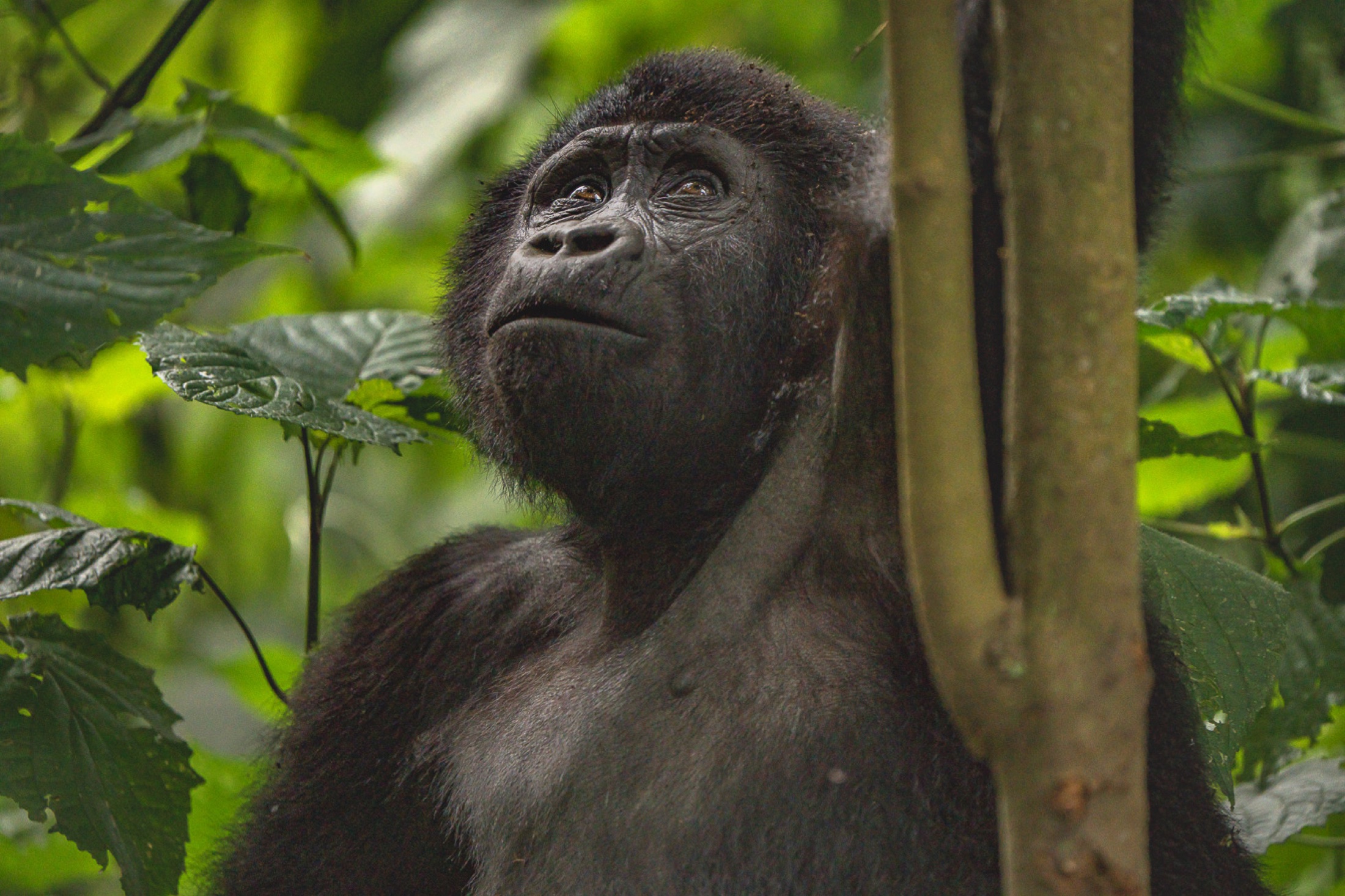
We venture deep into the misty montane forests of southwestern Uganda for one of the most profound wildlife photography experiences on Earth — coming face to face with the endangered mountain gorilla in Bwindi Impenetrable National Park.
This immersive expedition is crafted specifically for photographers, offering rare access to spend intimate moments with habituated gorilla families in their natural environment. Led by experienced guides and trackers, and with special permits, we will follow these gentle giants, documenting everything from playful juveniles to silverbacks resting in regal silence. With extended time in the forest and support tailored to photographers, us’ll have the best chance to frame powerful and authentic images.
We usually add this tour to the beginning or end of a Kibale chimpanzee safari. Please contact us for more information and to talk through options.
Itinerary
Hotel Horizon Entebbe
We arrive to Entebbe, and will be met at the airport on arrival. We overnight ready for our journey to start the next day.
Gorilla Mist Lodge
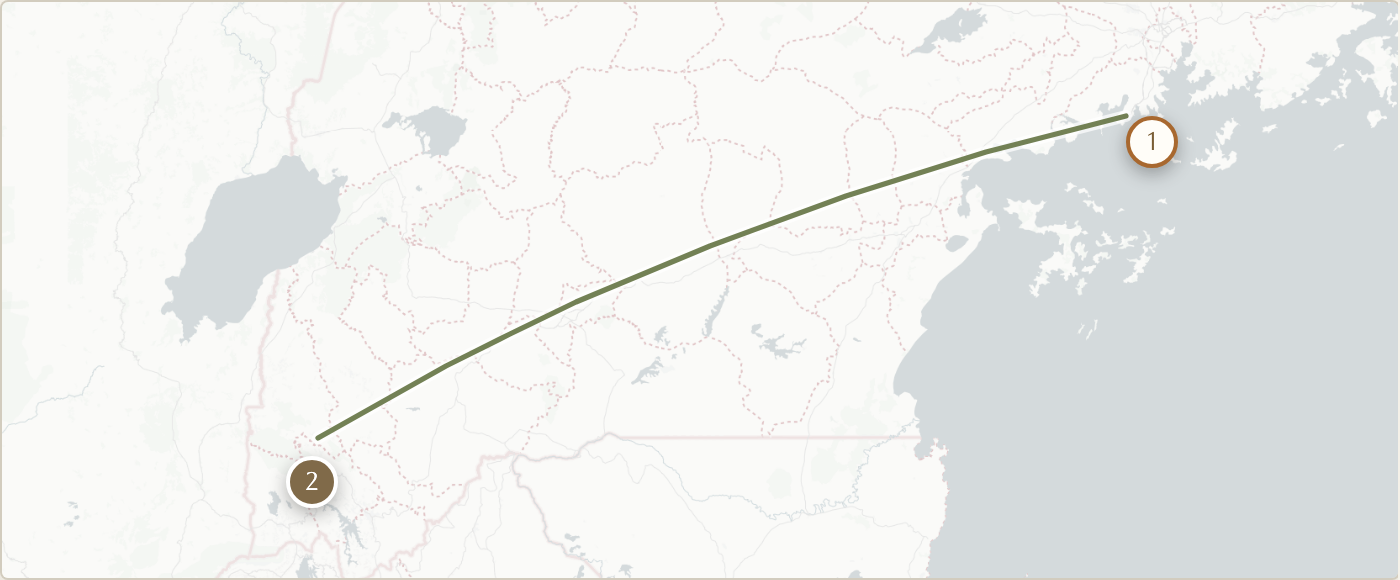
We continue south to the montane forests of Bwindi for the journey's crescendo. We set out before sunrise with our trackers and local guide to spend the day walking with the Mukiza gorilla family in the quiet Ruhija sector. Coming face to face with a wild mountain gorilla is one of the most profound wildlife experiences on Earth — and Ruhija's quieter trails make for less crowded, more personal encounters.
After a final morning in the forest we make our way back towards Entebbe, in good time to connect with onward international flights home.
Photography notes
Forget the long lenses you'd pack for the Mara — gorilla photography is close, wide and fast. Once the trackers put us onto the Mukiza family you are working at conversational distance, so a 24-70mm on one body and a 70-200mm on a second covers almost everything; a fast 35mm or 50mm prime earns its place for portraits and for the environmental frames that show a silverback dwarfed by the forest around him. You rarely need more than 200mm, and a big telephoto mostly gets in the way as the family moves and feeds through the tangle. The permit governs how long we stay and how the encounter runs, so the discipline is to read behaviour and be ready rather than to reach. Anticipate the quiet moments as much as the drama: mothers grooming and nursing infants, juveniles wrestling and tumbling, a silverback holding you in a long, level gaze. Those eyes are the picture, so focus on them and let everything else fall where it will.
The forest is the real technical challenge. Under a closed montane canopy at 2,000-2,500m the light is soft, green-cast and often several stops darker than it looks — you'll be shooting at ISO 1600-6400 far more than you expect, so a body that holds up in low light matters more here than resolution or reach. Push shutter speed to freeze restless youngsters and your own unsteady footing (1/250s is a sensible floor, faster for play), open up, and accept grain over blur. There is no tripod work in this terrain and no beanbag or vehicle to steady on: everything is handheld or braced against a knee, a stick or a tree, so image stabilisation and good long-lens technique count. Black fur against dark foliage will fool your meter into under-exposing the animals, so watch the histogram and lean toward the right, then protect highlights on any patch of sky that breaks through. Damp air, drifting mist and light rain are part of the experience in the June-to-September window — it is drier than the wettest months but this is rainforest, so expect showers and condensation. Wipe glass often, let cold gear acclimatise before you shoot to keep the front element from fogging, and treat the mist not as a problem but as the mood that makes Bwindi images what they are.
What to bring
Camera equipment
- Two bodies if you can — a 24-70mm on one and a 70-200mm on the other saves lens changes in wet, moving conditions; you rarely need longer than 200mm
- A fast standard prime (35mm or 50mm, f/1.4-f/1.8) for low-light portraits under the canopy
- A body that performs well at high ISO — you will routinely shoot ISO 1600-6400 in the forest gloom
- Plenty of spare batteries and memory cards; humidity and continuous shooting drain both faster than you expect
- Rain covers for each camera, a good supply of microfibre cloths, and a dry bag or waterproof liner for your camera bag
- Silica gel packs and, if you have one, a small dry box or sealed container to fight condensation overnight
- A comfortable chest harness or well-fitted backpack rather than a shoulder bag — you need both hands free on a steep, muddy trek
- No tripod (there is no room or time to use one); image stabilisation and steady handheld technique do the work
Clothing
- Lightweight long-sleeved shirts and long trousers in neutral colours — full cover protects against stinging nettles, thorns and biting insects on the trek
- A genuinely waterproof breathable jacket and light waterproof over-trousers; this is rainforest and showers are likely even in the dry season
- Sturdy, well-broken-in waterproof hiking boots with good ankle support and grip for steep, slippery ground
- Gaiters and a spare pair of dry socks — the forest floor is wet and muddy underfoot
- Gardening or thin leather gloves to grip vegetation and handle nettles without being stung
- A warm mid-layer or fleece for cool, damp mornings at altitude before the day warms up
- A wide-brimmed hat and a lightweight buff or neck gaiter
- A small change of dry clothes left at the lodge for the end of the day
Documents, health & practical
- Passport valid for at least six months with blank pages, plus your Uganda visa arranged in advance
- Your gorilla trekking permit — book well ahead through us, as numbers are strictly limited each day
- Yellow fever vaccination certificate (required for entry) and up-to-date routine vaccinations
- Antimalarial prophylaxis and a personal supply of insect repellent — Bwindi is a malaria area
- A well-fitted face mask for time with the gorillas; you may be asked to keep your distance and mask up to protect them from human illness
- Do not trek if you are unwell — a cold or stomach bug can be passed to the gorillas, so tell us and stay back if you are ill
- A day pack for water (at least two litres), packed lunch, snacks and rain gear, and a walking stick if offered — the trek can be several hours over demanding ground
- Comprehensive travel and medical insurance that covers trekking and evacuation, and enough small-denomination cash for tips to porters, trackers and guides
Inclusions / Exclusions
Inclusions
What is included in the tour cost:
- call prior to our departure, with John Haskew, to run through preparations, kit and ensure we are ready to start photographing before arriving
- Meeting on arrival at Entebbe airport and transfer to the lodge on the first night
- Bed and breakfast at the hotel on the first night
- All road transfers and internal flights in Uganda
- Full board accommodation for the duration of the stay in Uganda
- House wines, beers, local spirits and soft drinks
- Park fees
- Community fees
- Experienced, qualified local guide
Exclusions
Not included in the tour cost:
- International flights to Entebbe (BA flights recommended if flying from the UK)
- eTA (electronic travel authorisation) for Uganda
- Personal travel and health insurance