Summary
We journey to Mana Pools in Zimbabwe, a place renowned not just for its wildlife but for its atmosphere. Here, elephants have developed the remarkable behaviour of standing upright on their hind legs to reach the high fruit of albida trees, a sight found nowhere else in Africa. July marks the denning season for wild dogs, with pups beginning to emerge by August, offering rare opportunities to observe intimate pack life.
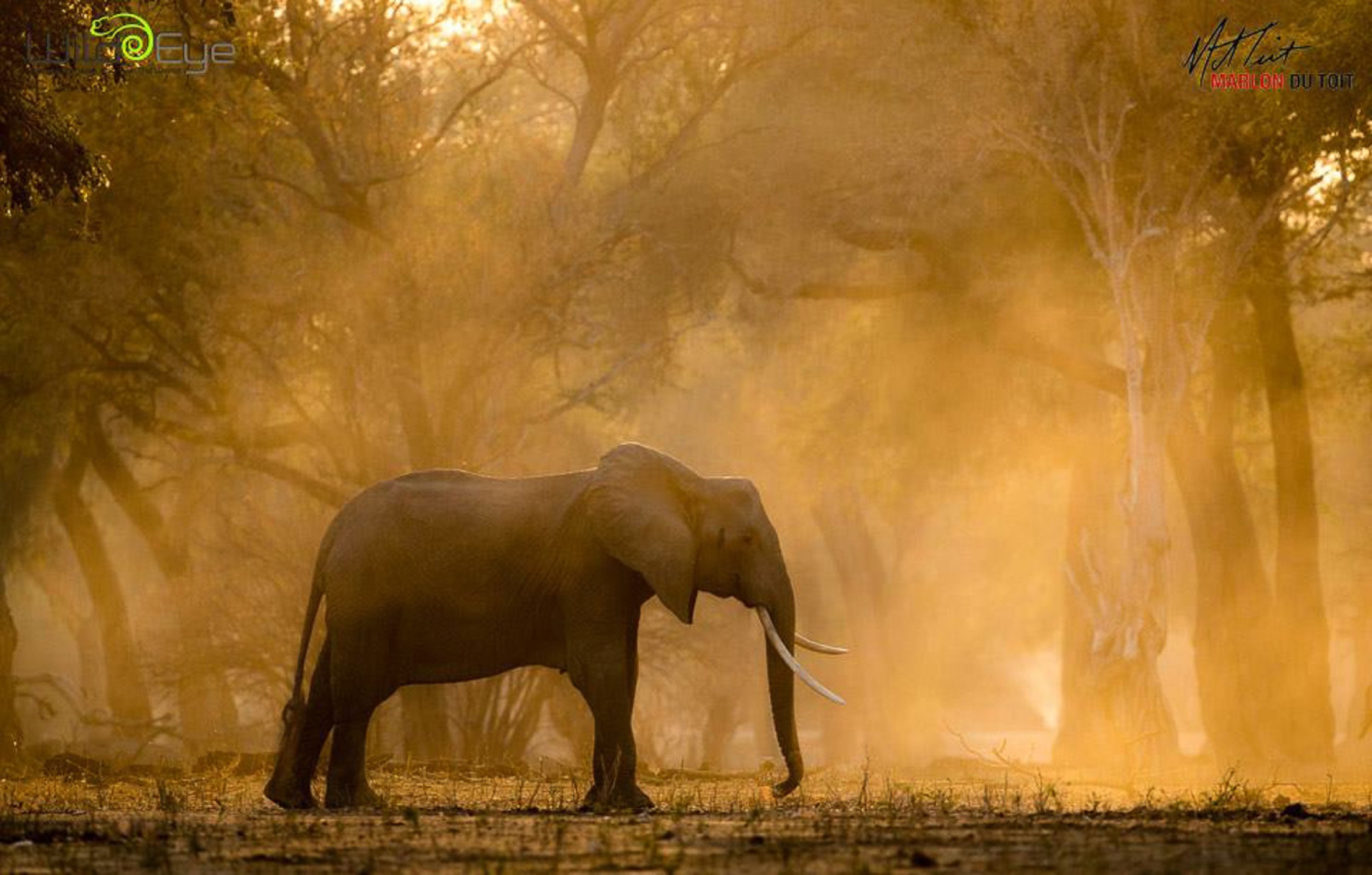
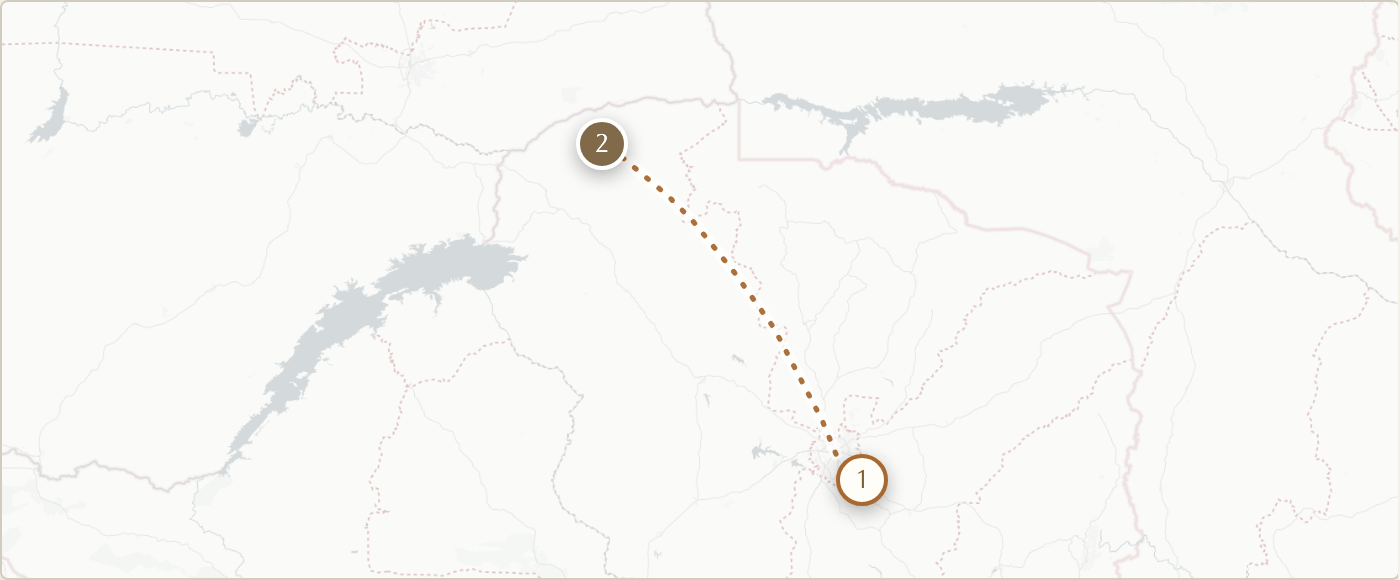
The light and dust of Mana Pools create painterly scenes that photographers dream of – golden dawns, shafts of light through albida forests, and haze kicked up by elephants and buffalo. Walking here brings us eye-to-eye with wildlife in a way few places allow, while the vast Zambezi floodplain and forested riverbanks provide a stage for evocative, atmospheric imagery that perfectly complements the drama of the Mara. This is a twelve-night journey across three of Zimbabwe's great wild places: five nights at Mana Pools, three nights in Hwange, and three nights in Matusadona on the shore of Lake Kariba, linked by light aircraft.
Itinerary
Harare
Arrival in Harare. We will be met at the airport and transferred to our hotel. We overnight, ready for our flight the next morning to Mana Pools.
Little Vundu · Mana Pools
Five nights at Mana Pools, on a mix of walking safaris and game drives. We track iconic Mana elephants on foot that stand on their hind legs to feed on albida pods and spend afternoons driving along the river channels, photographing hippo pods and Carmine Bee-eaters in golden light.
We will split our time between photographing elephants and wildlife in the albida forests as well as visiting known wild dog den sites. If fortunate, we will photograph adults returning from hunts, regurgitating food for hidden pups, and watching the pup playing near the den.
The focus of our photography will be evocative and atmospheric shots – at sunrise and sunset when dust hangs in the light and elephants move ghostlike through the forest, framed in shafts of light and dust.
Robins Camp · Hwange
We leave Mana Pools by light aircraft from Mana West and fly south-west to Hwange, Zimbabwe's largest national park, for three nights in the quieter northern reaches of the park.
Hwange is a different proposition to the Zambezi floodplain and a deliberate change of pace. Here the photography is built around water: in the dry season the game concentrates on pumped pans, and long, patient sits at a waterhole in the last hours of light deliver elephant herds coming down to drink in numbers that are hard to believe until you have seen them. Buffalo, sable and roan are all possible, and the open pan edges give clean, uncluttered backgrounds that the forest at Mana never can.
Matusadona
A second light-aircraft flight takes us north-east to Matusadona for three nights on the shore of Lake Kariba.
Matusadona is the water leg of the trip, and it looks like nowhere else. The drowned mopane forest along the lakeshore stands bleached and skeletal in the shallows, and photographing from a boat puts you low and level with elephant and buffalo coming down to drink, with the Matusadona escarpment behind them. Sunsets over the lake are the signature frame here. We work from both boat and vehicle, and the change of angle after a week on foot and in the forest is the point of coming.
On our final morning we fly back to Harare for onward connection and international departure.
Photography notes
Mana Pools is an atmosphere shoot before it is a wildlife shoot, and the kit reflects that. A 100-400mm or 150-600mm zoom is the workhorse, letting you pull back from a frame-filling elephant portrait to leave the animal small in a shaft of light through the albida forest. Bring a shorter, faster lens as well, a 24-70mm for the wide scene or a 70-200mm for a tighter, isolated one, because the signature Mana image is not the head shot, it is the whole scene, a standing bull reaching into the canopy with dust and backlight doing the work. The walking is what sets this place apart: on foot with an armed professional guide you get eye-to-eye, ground-level perspectives that no vehicle can give, and you shoot handheld or off a monopod rather than a beanbag. Get low, shoot into the light, and let the haze separate your subject from the trees. In the vehicle along the river channels a beanbag over the door frame steadies the long lens for hippo pods and the carmine bee-eater colonies. Whatever you carry on foot you carry all day, so travel light, keep one body on the long lens and one on the wide, and expect to change nothing in the field.
We run this in July and August, the deep dry season and austral winter, which is exactly why the light behaves the way it does. Mornings start cold and clear, warming through the day, and by mid-morning the buffalo and elephant herds have kicked enough dust into the still air to turn every backlit forest scene painterly. Work the golden hours hard, dawn and the last hour before sunset when the sun rakes low through the albidas and animals move ghostlike through the shafts; midday is flat and harsh, so that is the time to rest, back up cards and scout den sites. Expect elephants to rise onto their hind legs to reach the high albida pods, a behaviour to pre-focus and anticipate rather than chase, so keep your shutter fast enough to freeze the reach. July is denning season for wild dogs and by August pups are emerging, so afternoons at a known den can deliver adults returning from the hunt, the regurgitation feed and pups tumbling in the last light, but it is a patient sit and the animals set the pace. Meter for the highlights so the dust and sunbeams keep their glow rather than blowing out, and be ready to underexpose deliberately for the classic dark, moody Mana frame.
What to bring
Camera equipment
- 100-400mm or 150-600mm zoom as the primary lens, so you can go from portrait to animal-small-in-the-landscape without swapping in the field
- A shorter, faster lens for the atmospheric forest, dust and shaft-of-light scenes that define Mana, a 24-70mm for the wide view or a 70-200mm to isolate tighter
- Two bodies if you have them, one on the long lens and one on the wide, to avoid changing lenses in a dusty environment
- Beanbag for the vehicle days along the river channels (fill it with rice or beans on arrival rather than flying it full)
- Lightweight monopod for the walking days, far more practical on foot than a tripod
- Plenty of memory cards and a laptop or backup drive for nightly backup; power is limited in camp so charge whenever you can
- Spare batteries kept charged, a rocket blower and a good sensor-cleaning kit, plus lens cloths, for the ever-present fine dust
- A soft, dust-resistant camera bag you are happy to carry all day on foot
Clothing
- Neutral, muted colours (khaki, olive, brown) for the walking safaris; avoid bright colours, white and dark blue or black
- Warm layers for cold, clear winter mornings, a fleece and a light insulated jacket, shed as the day warms
- Lightweight, breathable long-sleeved shirts and trousers for sun and dust protection through the heat of the day
- Broken-in, comfortable walking shoes or boots and good socks, as the walking is the heart of this trip
- Wide-brimmed hat, sunglasses and a buff or scarf to keep dust off your face
- A light waterproof or windproof shell just in case, though the dry season is reliably dry
Documents, health & practical
- Valid passport with several blank pages and any visa required for Zimbabwe (check current requirements for your nationality before travelling)
- Mana Pools is a malaria area, so speak to your travel clinic about antimalarial prophylaxis and bring insect repellent for dawn and dusk
- Check that routine vaccinations are up to date, and carry a yellow-fever certificate if arriving via a country where it is required
- Comprehensive travel and medical insurance that covers walking safaris and, ideally, emergency evacuation
- A modest personal first-aid kit, any personal medication and high-factor sun protection and lip balm
- Note the light-aircraft baggage limits on the Harare transfers, so pack soft bags and keep weight down
- A head torch for camp after dark, a reusable water bottle and cash for staff gratuities and any extras
Inclusions / Exclusions
Inclusions
What is included in the tour cost:
- All internal flights and transfers
- All inclusive accommodation and meals
- Expert wildlife driver and guide
- All community and park permits
Exclusions
Not included in the tour cost:
- International flights to Harare
- Zimbabwe visa
- Personal travel and health insurance
- Soft drinks and alcoholic drinks