Summary
Amboseli is known for its dramatic landscapes, dense populations of elephants and close proximity to Mount Kilimanjaro, the highest peak in Africa. The area is renowned for its diverse ecosystems, including open plains, acacia woodlands, swamps, and the dry, dusty savannah. The combination of these elements makes for a unique safari experience.
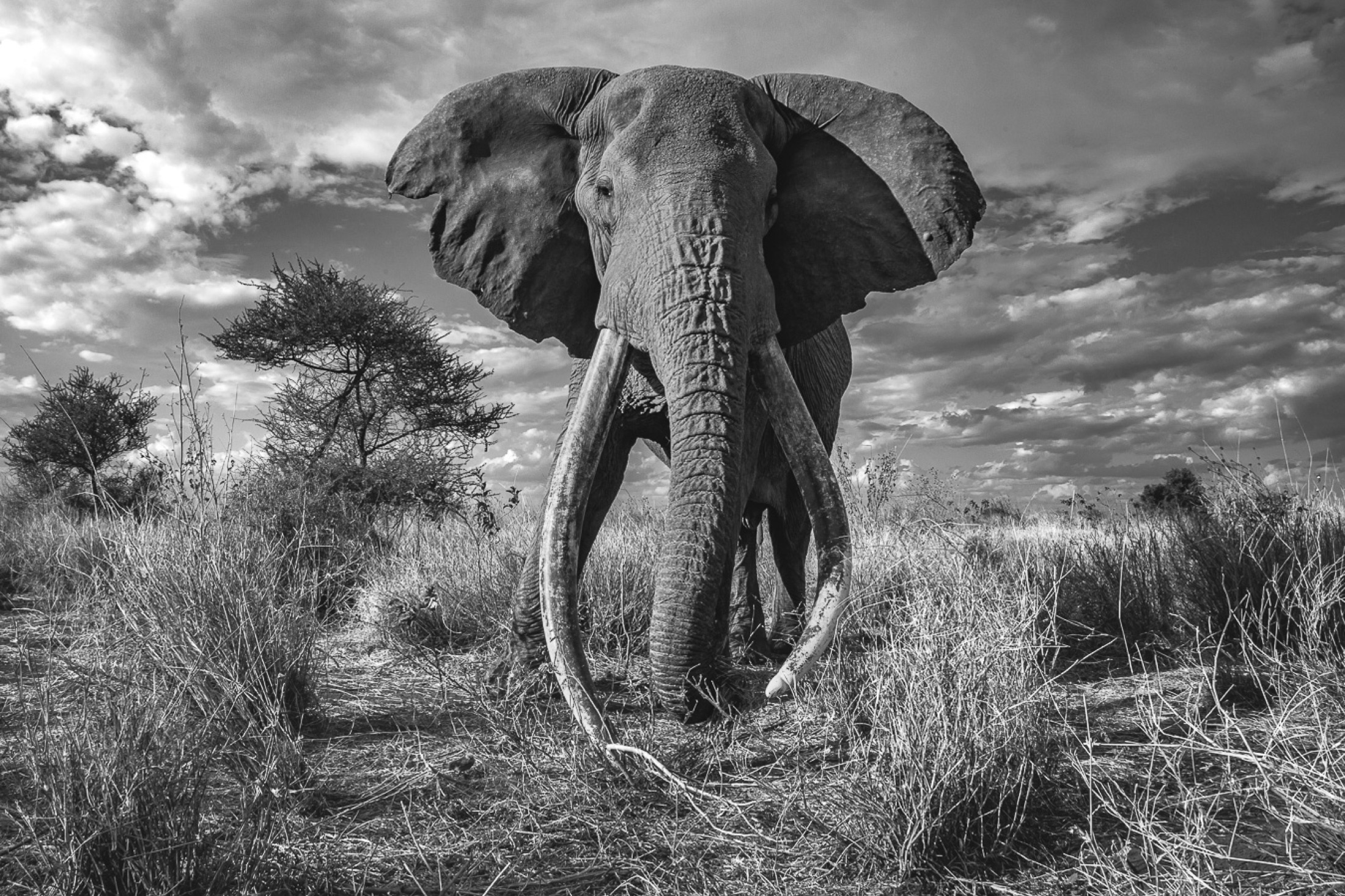
This tour focuses on photographing Super Tuskers and family groups of elephants. We focus on classic portraits, elephants in their landscape and a combination of fine-art black and white and colour.
We usually add this tour to the beginning or end of a Maasai Mara safari. Please contact us for more information and to talk through options.
Itinerary
Kibo Safari Camp · Amboseli
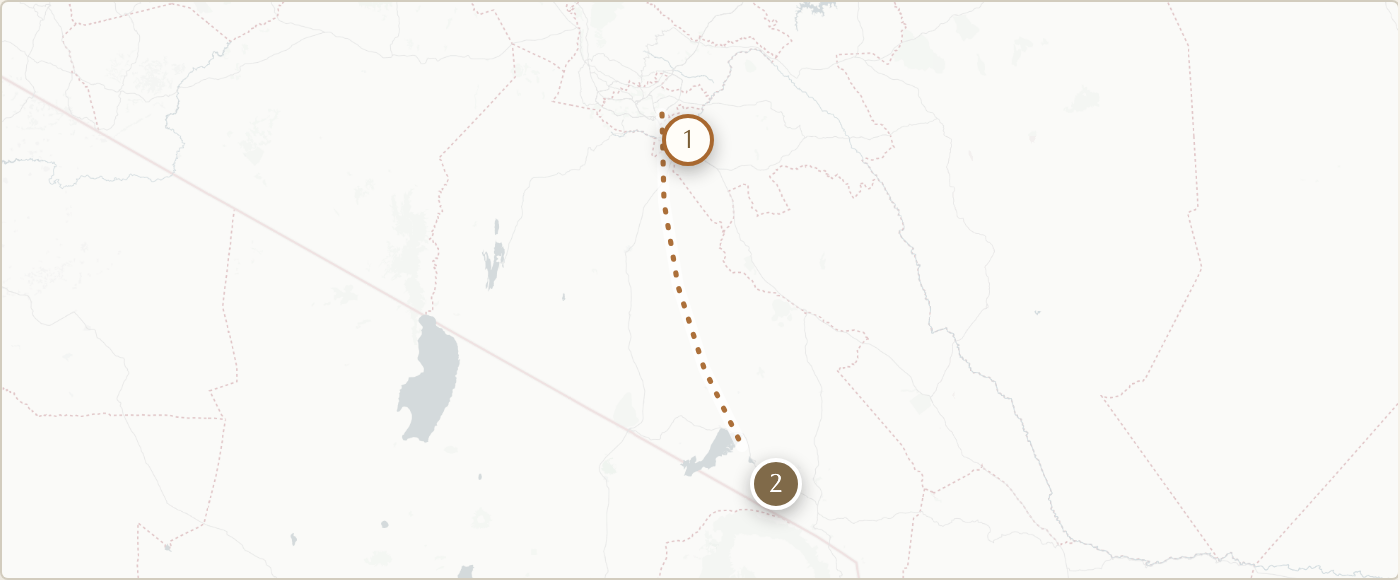
We drive from Nairobi to Amboseli, to arrive in time for lunch on the first day. We meet for tea and biscuits at 3 pm and start our afternoon safari at 3:30 pm, with our focus on the Super Tuskers and family groups of elephants. We will spend time in local conservancies as well as the main reserve. We will spend all day in the field if needed to maximise these opportunities and to capture great wildlife images.
Kibo Safari Camp · Amboseli
We start the morning safari at 6.00 am, following tea and coffee, again focused on elephant in different habitats and lighting. We Will visit the dry lake bed where we have the opportunity to photograph family groups of elephants as they move into the marsh to drink during the heat of the day. This is a really special place, and we find unique locations to photograph in a private conservancy.
After breakfast, we drive back to Nairobi for our international flight.
Photography notes
Amboseli is an elephant photographer's landscape as much as a wildlife one, so pack for both ends of the range. A 100-400mm or 150-600mm zoom is the workhorse for portraits, tusk detail and family-group behaviour, and you'll often want a teleconverter or a fixed 500/600mm for the Super Tuskers, whose ivory is the whole point of the frame. But don't leave the wide end at camp: the signature Amboseli image is elephants small against the snows of Kilimanjaro, and for that a 24-70mm or even 16-35mm earns its place. We shoot from the vehicle almost entirely, so a beanbag over the sill or on the roof hatch is your tripod here; drop low and shoot at eye level with the herd whenever the ground allows. The animals are relaxed and we can work them at close and moderate distances, but we keep our distance from bulls in musth and never crowd family groups with young calves, both for their sake and because tension shows in a photograph.
The season shapes everything. We run this tour from October to February, and for most of that window the open plains and the pale, cracked lake bed are dry and dusty, with the elephants concentrating on the permanent swamps that Kilimanjaro's catchment feeds through underground springs. Late in the year the short rains can green things up and soften the dust for a spell, but the pattern soon returns. That dust is a gift and a hazard: backlit at dawn or in the last hour of light it gives you shafts, trunk-thrown plumes and rim-lit bodies moving through haze, ideal for the fine-art black-and-white work we come here for. We start before six for the good light and cross into a private conservancy to photograph family groups moving down to drink through the heat of the day, then work the low golden light again into the evening, staying out all day when the pictures are there. Kilimanjaro itself is shy: it usually clears in the first hour after dawn and again at dusk, so we plan the mountain compositions around those windows and keep a long lens on standby for the elephants that walk into the frame beneath it. Expect strong midday sun and haze, cold pre-dawn starts on open plains, and fine grit on everything you own.
What to bring
Camera equipment
- 100-400mm or 150-600mm zoom - the workhorse for portraits, tusk detail and family-group behaviour
- A fixed 500mm/600mm or a teleconverter for frame-filling Super Tusker portraits at moderate distance
- 24-70mm and a 16-35mm for the signature elephants-and-Kilimanjaro landscapes
- Two bodies if you have them, so you don't miss the wide moment while the long lens is mounted (and to avoid lens changes in the dust)
- Beanbag for the vehicle sill and roof hatch - this is your support platform; a small clamp head is useful too
- Plenty of memory cards and a laptop or backup drive for nightly downloads
- Spare batteries kept charged - long full days in the field drain them
- A blower, sensor-cleaning kit, lens cloths and rocket brush - dust is the constant enemy here
- Weather/dust-sealed bodies and lenses where possible, plus a rain cover pressed into service as a dust cover
Clothing
- Lightweight, breathable long-sleeved shirts and trousers in neutral tones (avoid bright colours and dark blue/black)
- A warm fleece or jacket for the cold pre-dawn starts on the open plains - it can be genuinely chilly before the sun is up
- Wide-brimmed sun hat, high-factor sunscreen and good sunglasses for the strong midday light and glare off the lake bed
- A buff or light scarf to keep dust off your face and out of your lungs on windy game drives
- Closed, comfortable shoes and a light layer that packs down for the temperature swing across the day
Documents, health & practical
- Valid passport and Kenyan entry authorisation arranged in advance - check current requirements before you travel
- Antimalarial prophylaxis and insect repellent; discuss the right regime with your travel clinic well ahead of departure
- Check your routine vaccinations are up to date, and confirm current entry health requirements with your clinic
- Comprehensive travel insurance covering your camera equipment as well as medical cover
- A dust-proof bag or drybag for cameras between shoots, and zip-lock bags for cards and small kit
- Reusable water bottle and any personal medication; keep well hydrated through the long, hot days in the field
Inclusions / Exclusions
Inclusions
What is included in the tour cost:
- call prior to our departure, with John Haskew, to run through preparations, kit and ensure we are ready to start photographing before arriving
- Meeting on arrival at Nairobi and transfer to hotel on the first night
- Bed and breakfast at the hotel on the first night
- All road transfers and internal flights in Kenya
- Full board accommodation for the duration of the stay in Kenya
- House wines, beers, local spirits and soft drinks
- Park fees
- Community fees
- Experienced, qualified local guide
Exclusions
Not included in the tour cost:
- International flights to Nairobi (BA flights recommended if flying from the UK)
- eTA (electronic travel authorisation) – cost US$ 34 / GBP£ 27)
- Personal travel and health insurance