Summary
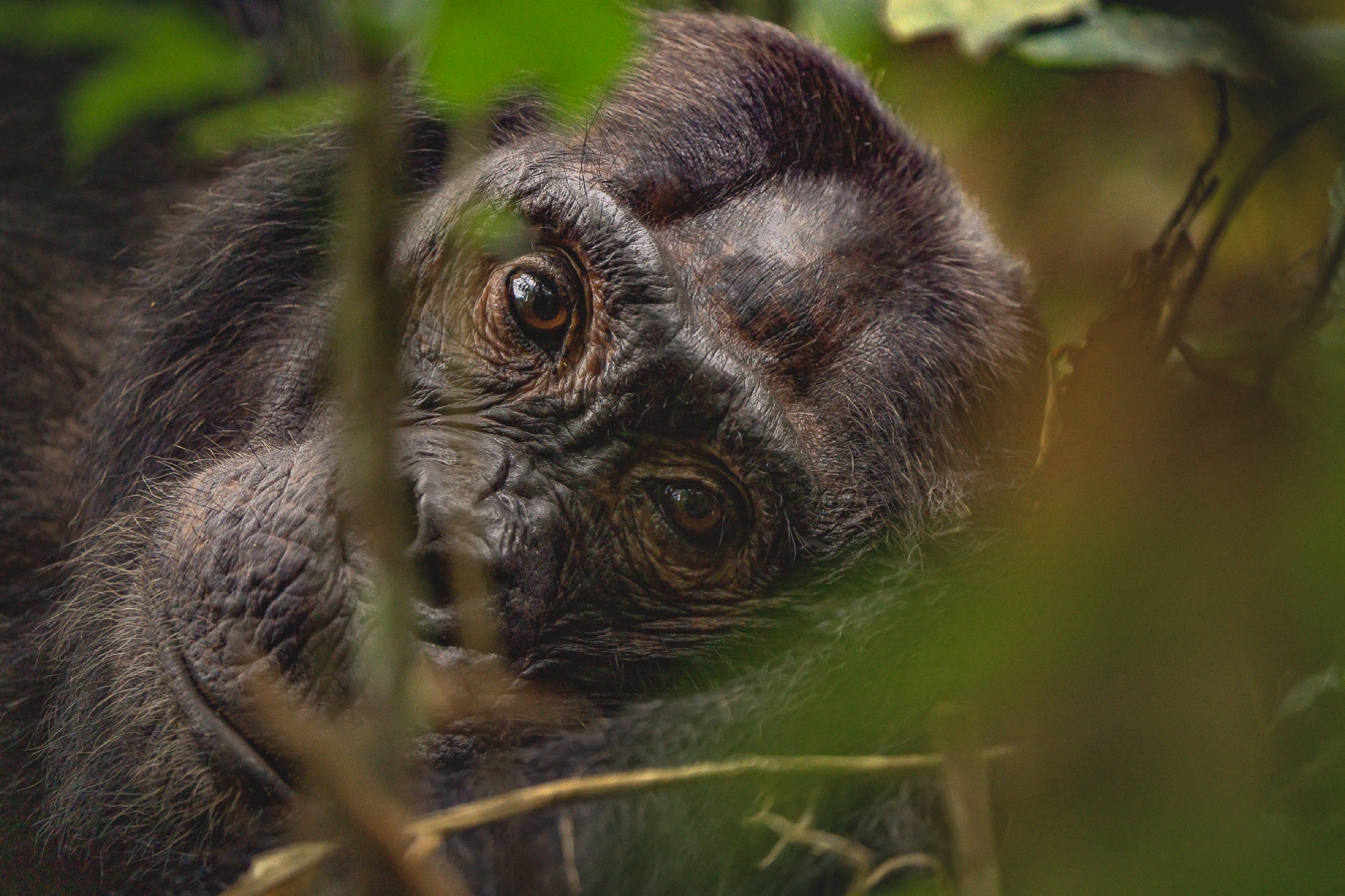
We journey into the heart of Kibale Forest, Uganda – one of Africa’s most enchanting rainforests and home to the highest density of primates on the continent. Kibale offers a unique and rare opportunity to intimately observe and photograph our closest relatives in their natural habitat. Towering fig trees, dappled forest light, and the calls of chimpanzees echoing through the canopy set the scene for an unforgettable experience.
Perfect for wildlife photographers of all levels, this journey combines immersive primate encounters with the magic of one of East Africa’s most biodiverse ecosystems.
We usually add this tour to the beginning or end of a Bwindi mountain gorilla safari. Please contact us for more information and to talk through options.
Itinerary
Hotel Horizon Entebbe
We arrive to Entebbe, and will be met at the airport on arrival. We overnight ready for our journey to start the next day.
Guereza Canopy Lodge
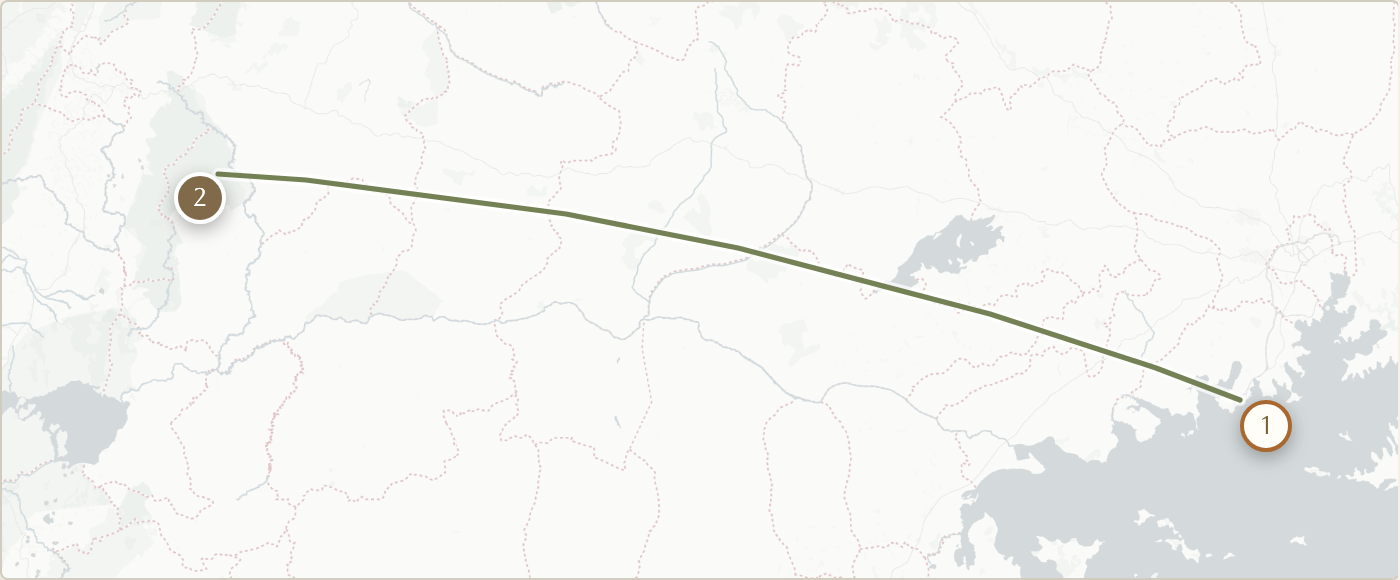
We travel west to Kibale Forest — one of Africa's most enchanting rainforests and home to the highest density of primates on the continent. We spend a full day in the forest with the Kanyantale chimpanzee community, the most habituated group in Kibale, following them as they move, feed, groom, vocalise and sometimes display. It is intimate, immersive and quite unlike anywhere else.
After a final morning in the forest we make our way back towards Entebbe, in good time to connect with onward international flights home.
Photography notes
This is forest photography, and the defining challenge is light rather than reach. Under Kibale's closed canopy you are working in deep shade broken by shafts of dappled sun, so a fast body and a lens that opens up matter more than raw focal length. A 70-200mm f/2.8 is the workhorse here — the Kanyantale chimpanzees are habituated and, with the trackers reading their movement, you regularly end up genuinely close, sometimes closer than that lens can frame. Pair it with a fast wide-to-standard zoom (24-70mm or similar) for a chimp resting or feeding a few metres off the trail, and carry a longer 100-400mm or a 300mm prime for individuals up in the fig trees or a face picked out across a clearing. Expect to shoot at high ISO for most of the day — 3200 to 6400 is normal on the forest floor, more when a chimp moves into shadow — so a body you trust to focus and stay clean in low light is the single most useful thing in your bag. There is no vehicle and no beanbag; everything is handheld on the move, so image stabilisation, a fast shutter to kill both your own shake and a restless animal, and back-button focus you can trust are what save frames.
You'll set out before sunrise to meet the trackers, and the chimps dictate the day — following them as they travel, feed, groom, and sometimes erupt into dominance displays or hunt through the understorey. Anticipate behaviour and pre-focus: the intimate frames come from a grooming huddle or a mother and infant holding still, while the drama comes fast and low as adults charge and buttress-drum, so keep the camera up and the burst ready. Watch the eyes and hands — tool use, a returned gaze, a yawn that flashes canines all read strongly against the green. Overhead shots of animals high in the canopy are hard: you are shooting up into bright sky, so expose for the animal and let the background blow, or wait for one to descend. June to September is Uganda's drier window, which is why we run the trip then — the forest is more walkable and the light more reliable — but this is equatorial rainforest and you should still expect heavy showers, permanent humidity, and low, flat light on overcast mornings. Protect your gear accordingly and be ready to shoot in the rain rather than pack away, because some of the best forest atmosphere comes with the mist and the wet.
What to bring
Camera equipment
- 70-200mm f/2.8 as the workhorse — fast aperture matters far more than reach under the canopy, and the habituated chimps are often within its range
- Fast standard zoom (24-70mm or similar) for close encounters a few metres off the trail
- Longer reach (100-400mm zoom or a 300mm prime) for individuals up in the fig trees
- A body you trust at high ISO — 3200-6400 is normal on the forest floor, and low-light AF is the thing that saves frames
- Everything handheld on the move: strong in-body/lens stabilisation, no room for a tripod or beanbag on the trek
- Spare batteries and plenty of cards — a full day in the forest with no chance to return to charge
- Rain covers for bodies and lenses, a dry bag or lined daypack, microfibre cloths and silica gel for the constant humidity
- Lens cloths you can reach fast — condensation and spray are constant; a hood helps keep water off the front element
Clothing
- Lightweight, quick-drying long-sleeved shirt and trousers in muted greens/browns — cover against biting insects, stinging nettles and thorns
- A proper waterproof rain jacket that breathes; expect showers even in the drier months
- Sturdy, broken-in waterproof hiking boots with grip for muddy, root-tangled forest floor
- Gaiters and tucked-in trousers, plus long socks — safari ants and undergrowth are a real nuisance
- Gardening or light work gloves for grabbing wet, thorny vegetation on steep ground
- A light warm layer for the pre-dawn start and the cooler forest lodge evenings at altitude
- Insect repellent (DEET or picaridin) and a wide-brimmed hat
Documents, health & practical
- Uganda visa (arrange the e-visa before travel) and a passport valid for at least six months
- Yellow fever vaccination certificate — required for entry and checked on arrival
- Antimalarial prophylaxis and up-to-date routine travel vaccinations — speak to a travel clinic well ahead
- Chimpanzee tracking permit — we arrange this for you; numbers are strictly limited so booking early matters
- A face mask for time with the chimps — as our close relatives they are vulnerable to human respiratory infection, and covering up when near them is expected
- Hand sanitiser, a small personal first-aid kit and any personal medication
- 1L+ of water and a packed lunch carried for the full day in the forest
- A reasonable level of fitness — expect several hours on foot over uneven, sometimes steep and slippery ground, with no guarantee of how far the chimps travel
Inclusions / Exclusions
Inclusions
What is included in the tour cost:
- call prior to our departure, with John Haskew, to run through preparations, kit and ensure we are ready to start photographing before arriving
- Meeting on arrival at Entebbe airport and transfer to the lodge on the first night
- Bed and breakfast at the hotel on the first night
- All road transfers and internal flights in Uganda
- Full board accommodation for the duration of the stay in Uganda
- House wines, beers, local spirits and soft drinks
- Park fees
- Community fees
- Experienced, qualified local guide
Exclusions
Not included in the tour cost:
- International flights to Entebbe (BA flights recommended if flying from the UK)
- eTA (electronic travel authorisation) for Uganda
- Personal travel and health insurance