Summary
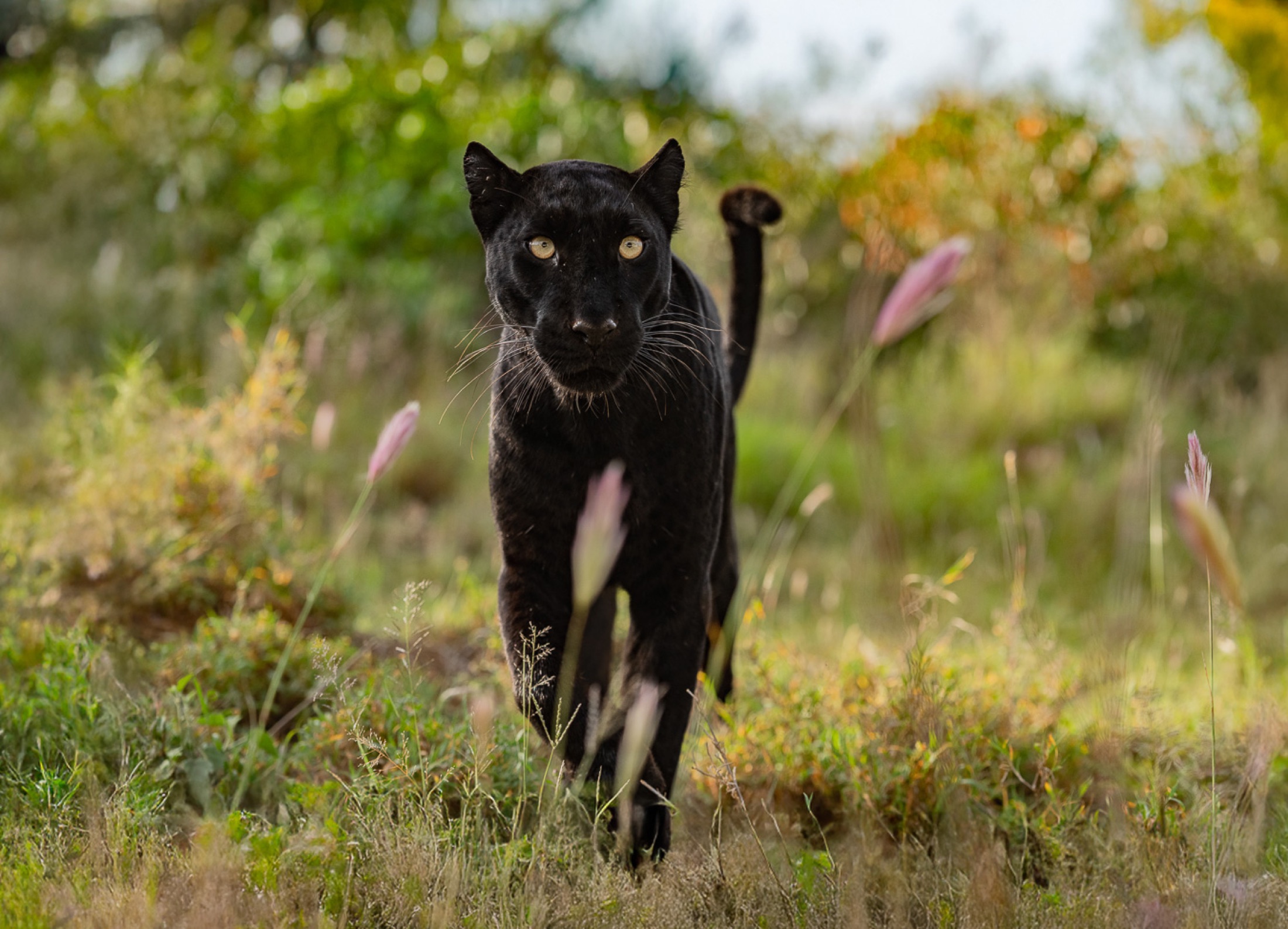
We journey to the heart of Laikipia, one of Kenya’s wilderness regions, for a once-in-a-lifetime opportunity to seek out the mysterious and incredibly rare black leopard. Against the backdrop of rolling hills and acacia-studded plains, this exclusive safari offers photographers the chance to track and photograph this legendary creature, whose sleek, shadowy form moves silently through the night. Alongside the black leopard, Laikipia teems with diverse wildlife, from elephants and wild dogs to Grevy’s zebra and reticulated giraffe.
We usually add this tour to the beginning or end of a Maasai Mara safari. Please contact us for more information and to talk through options.
Itinerary
Laikipia Wilderness Camp
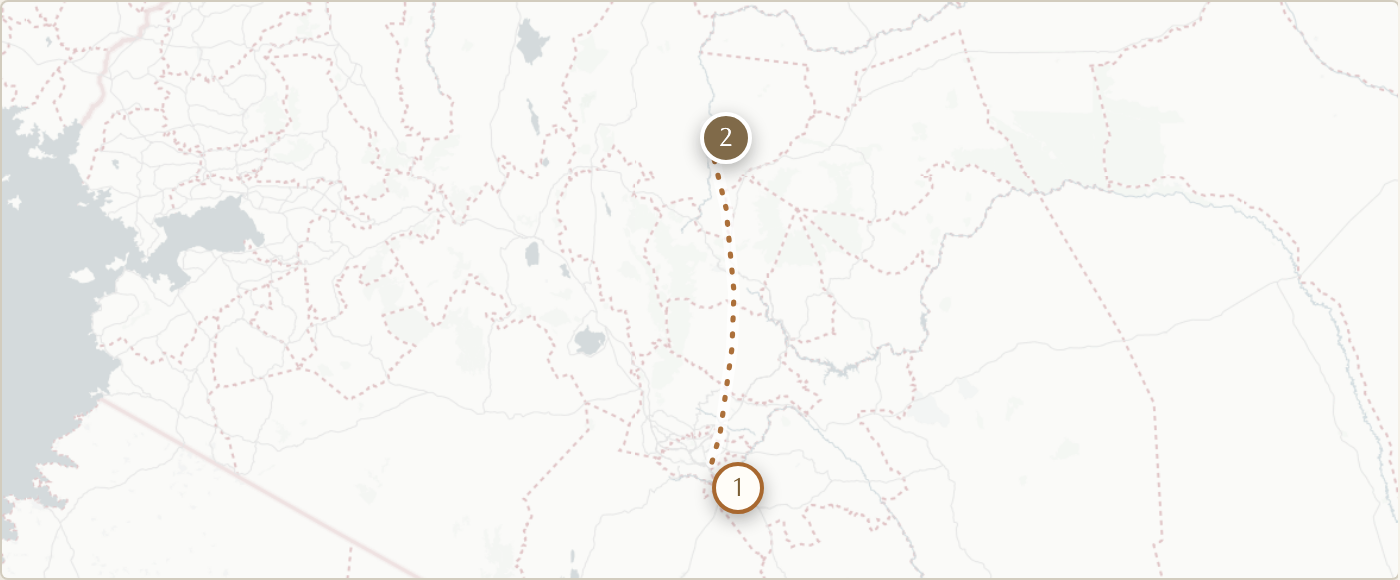
We drive from Nairobi to Laikipia, to arrive in time for lunch on the first day. We meet for tea and biscuits at 4 pm and start our afternoon safari at 4:30 pm, with our focus on the black leopard. The leopard is a female called Giza Mrembo and is resident around the camp. She is found on around five nights a week so we have a high success of finding her.
Laikipia Wilderness Camp
We start the morning safari at 6.15 am, following tea and coffee, again focused on the black leopard but also other spotted leopards that are resident in the area. We take brunch at the dam, while we wait for grey zebra, reticulated giraffe and elephants to come to drink.
The afternoon safari will start at 4:30 pm again until around 8pm and back in time for dinner.
After a morning safari, we drive back to Nairobi for our international flight.
Photography notes
This is a low-light, telephoto game. The black leopard is melanistic, so the challenge is not resolution but exposure: a near-black cat in near-dark, where you are fighting to hold shape and detail without crushing the whole animal into a silhouette. The prime working window is the last of the afternoon light and the blue hour that follows — our afternoon drive runs to around 8 pm precisely because Giza Mrembo, the resident female, becomes active as the light dies. Expect to lean on high ISO (comfortably 3200–6400 and beyond on a modern body), the widest aperture your glass allows, and a shutter you drop as low as you dare on a settled cat. A 400–600mm is the core lens for the animal at distance and for the tight portrait when she crosses close, but keep a 100–400mm or a 70–200mm to hand for the shots that actually work best here: the leopard small in the acacia, a shape moving through grass with a rim of dusk behind her, or the eyeshine catching a controlled beam. We shoot almost entirely from the vehicle, so a beanbag over the door or roof edge is your tripod — it kills the vibration that ruins a 1/60s frame far better than hand-holding ever will.
Around the leopard, Laikipia gives you a fuller day. The morning drive from first light is classic savanna work — warm side-light on reticulated giraffe, Grevy's zebra and elephant, wild dogs if we are lucky — and our brunch at the dam is a waterhole hide in effect, animals coming in to drink while you sit still with the long lens ready. August into September is the dry season here: hard blue skies, dust hanging gold in the low sun, thinning cover that concentrates game on water and improves your sightlines to a cat that is otherwise a master of not being seen. It is a high-altitude plateau, so mornings and the after-dark drives are genuinely cold despite the equatorial latitude; the same dust that makes the light will get into everything, so plan for it. Nights are the real prize and the real gamble — she is found on most nights but not every night, so shoot the days generously and treat every leopard frame as a bonus rather than an entitlement.
What to bring
Camera equipment
- 400–600mm telephoto — the core lens for the leopard at distance and tight portraits when she crosses close
- 100–400mm or 70–200mm for the leopard-in-landscape frames and the day's plains game at the dam
- A body with strong high-ISO performance and reliable low-light autofocus — this is dusk-to-dark shooting, not midday work
- Beanbag for the vehicle door and roof edge — the essential support here; a tripod is largely useless from a moving Land Cruiser
- Spare batteries, kept from the cold on the after-dark drives, and plenty of fast memory cards for high-ISO bursts
- Lens cloths, a rocket blower and dust protection — the dry-season Laikipia dust gets into everything
- A laptop or tablet plus a backup drive to offload and check exposures nightly (noise reduction lives or dies on getting the exposure right in the field)
Clothing
- Lightweight, breathable neutral-toned layers for warm dry days — greens, browns and khaki, nothing bright or white on a leopard drive
- A genuinely warm fleece or down mid-layer and a windproof outer for cold high-altitude mornings and the after-dark drives — the equator is deceptive at this altitude
- Buff or scarf and a brimmed hat for sun and for the dust
- Warm hat and gloves for the early starts and the drive back after 8 pm
- Closed walking shoes or light boots, and sunglasses for the hard midday glare
Documents, health & practical
- Valid passport and Kenya travel authorisation (check the current e-visa / ETA requirement before you travel)
- This region sits at altitude and is low-risk for malaria, but discuss antimalarial cover and routine travel vaccinations with your GP or a travel clinic in good time
- Comprehensive travel insurance including medical evacuation — we are working in a remote wilderness area
- Sun protection, personal medication and a headtorch for camp and the after-dark returns
Inclusions / Exclusions
Inclusions
What is included in the tour cost:
- call prior to our departure, with John Haskew, to run through preparations, kit and ensure we are ready to start photographing before arriving
- Meeting on arrival at Nairobi and transfer to hotel on the first night
- Bed and breakfast at the hotel on the first night
- All road transfers and internal flights in Kenya
- Full board accommodation for the duration of the stay in Kenya
- House wines, beers, local spirits and soft drinks
- Park fees
- Community fees
- Experienced, qualified local guide
Exclusions
Not included in the tour cost:
- International flights to Nairobi (BA flights recommended if flying from the UK)
- eTA (electronic travel authorisation) – cost US$ 34 / GBP£ 27)
- Personal travel and health insurance