Summary
An exclusive photo safari in the Maasai Mara, built around time rather than mileage. No photography experience is required — a love of wildlife is enough, and the group runs from complete beginners to experienced photographers.
Seven nights in the Mara at MLIMA | Maasai Mara, our own camp, in a group of three to six photographers with a maximum of three people to a vehicle, so everyone works a clear window and nobody shoots over a shoulder. We choose a subject and stay with it — a leopard and her cub, a cheetah coalition, a lion pride — rather than ticking through a list, because family relationships and hunting behaviour only reveal themselves to people who are still there an hour later.
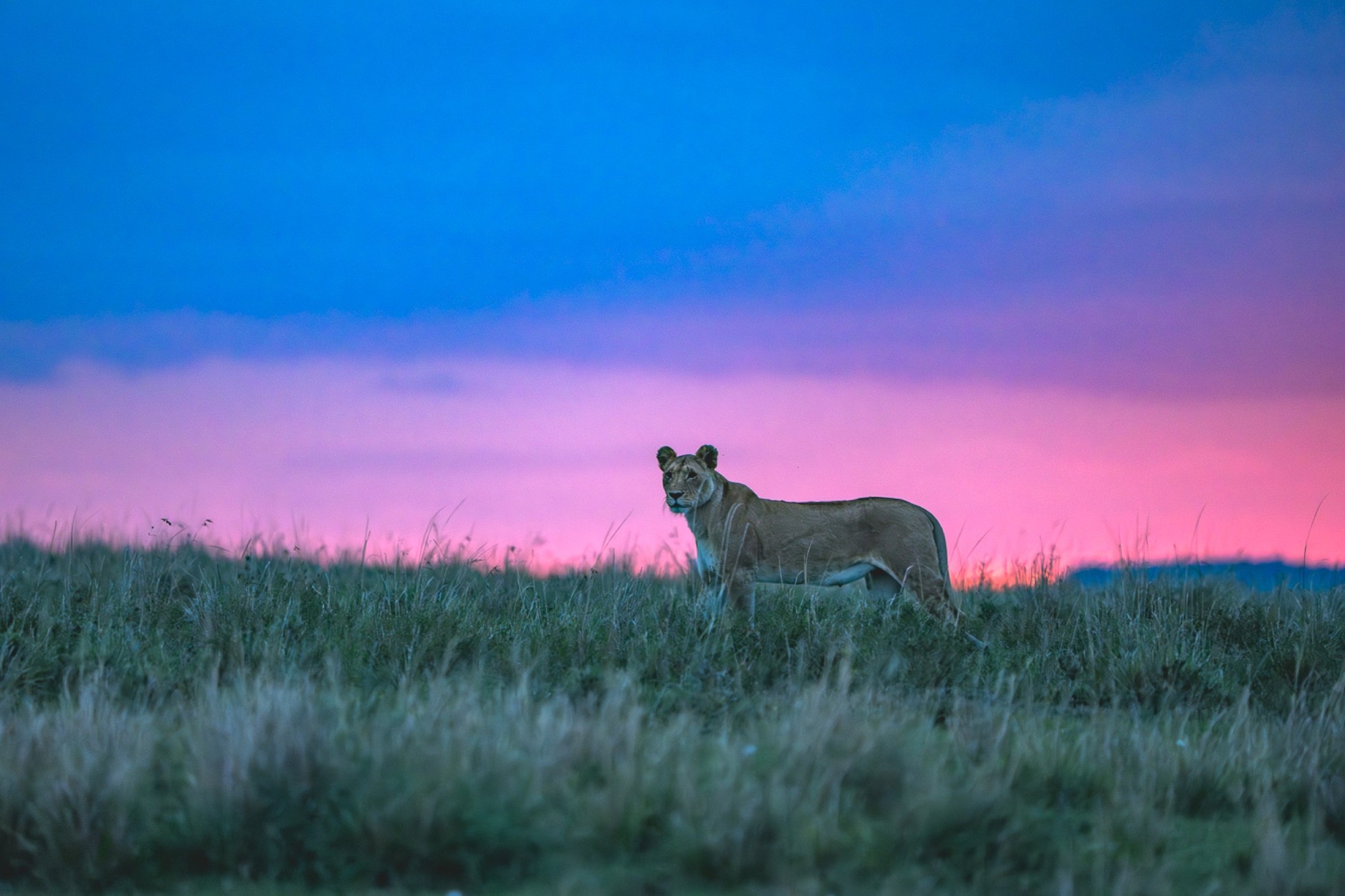
Days are run flexibly and we stay out all day when the animals give us a reason to. October to February is the short rains and the green season that follows: dramatic skies, green plains instead of dust-brown, scattered young concentrating predator activity, and far fewer vehicles than the peak months.
Itinerary
Mlima Mara · Maasai Mara
Arrive in Nairobi and overnight near the airport. Everything from the moment we land to the moment we fly home is taken care of — the only things to arrange independently are the international flights into Nairobi and the Kenyan visa.
Mlima Mara
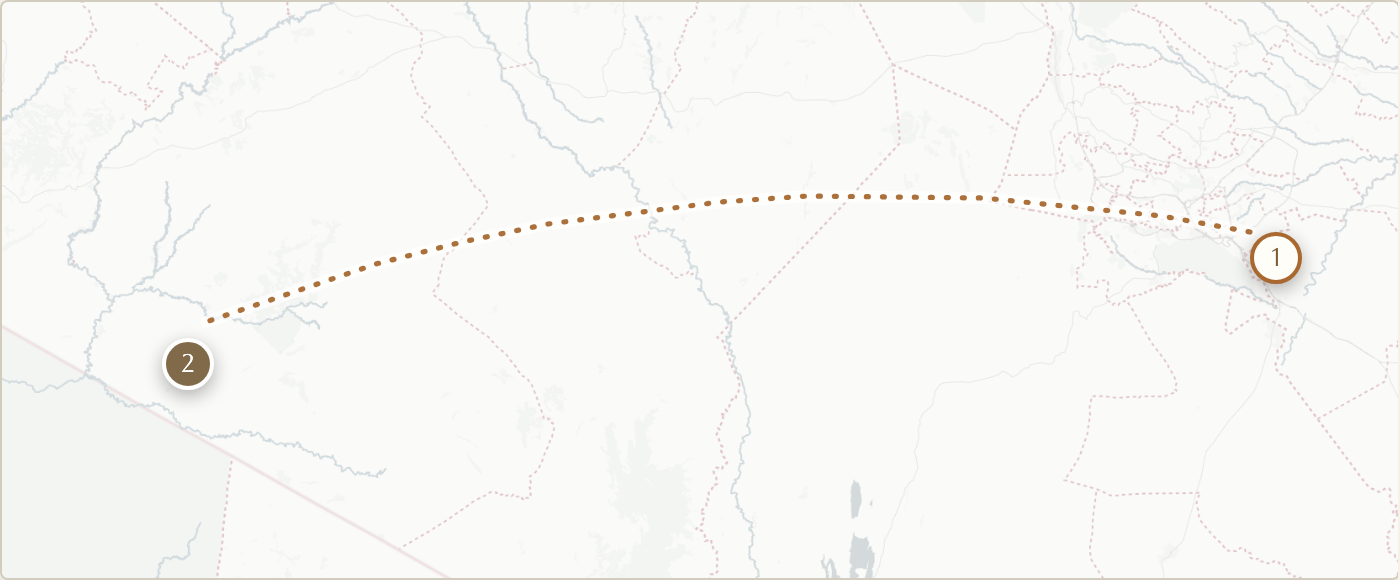
Fly or drive into the Mara and settle in at MLIMA | Maasai Mara for seven nights. There is no fixed daily timetable — that is the point of the trip. We are out before dawn for the first hour of low, raking light, and out again through the golden and blue hours at dusk, and we stay in the field through the middle of the day whenever a subject is worth staying with. Days are built around individuals and family groups: leopard, cheetah and lion above all, with elephant, the plains herds and the smaller predators alongside. With three to six of us and no more than three to a vehicle, we can position patiently and wait out behaviour rather than chase sightings. Evenings are for backing up cards, reviewing the day's frames and planning the morning around what the animals are doing.
A final morning in the field if the schedule allows, then the flight back to Nairobi and onward international connections.
Photography notes
We shoot the Mara from the vehicle, so a beanbag over the window sill or door is your tripod - it kills engine and hand vibration and lets you swing onto a moving cat in a second. The working range for cats and behaviour is a 400-600mm telephoto: with a maximum of three people per vehicle and no crowding, we can position patiently and often sit within a comfortable frame-filling distance of a resting lion pride or a leopard draped in a sausage tree, but a 100-400mm zoom earns its place for the moments a cheetah walks toward the car or a herd fills the foreground. Keep a wide-to-standard body ready too - a 24-70mm or 70-200mm - because the signature Mara frame is often the animal small against the open plains, a lone acacia and a big sky, or elephants strung across the grassland in the last light. Because we run our days flexibly and stay out with individuals and family groups, you'll have the time to read behaviour and pre-empt it rather than react: cubs at play, a cheetah scanning a termite mound, the tension before a hunt, the low-slung stalk. Anticipate the action, set your shutter high (1/1600s or faster to freeze a chase, dropping to slower speeds for deliberate panning blur), and shoot in bursts through the moment.
Light is everything here and it dictates the day. We are out for the dawn - the first hour after sunrise gives that low, warm, side-on light that rakes across the grass and rims the cats in gold - and again for the golden hour and blue hour at dusk, which is why we'll stay in the field all day when the animals give us reason to. The middle of the day is harsh and high-contrast, better spent with sleeping cats, backlight and detail than trying to fight the sun. October to February spans the short rains and the green season that follows: expect dramatic skies, towering clouds and the occasional short, heavy downpour that clears to spectacular light, with the plains lush and green rather than the dust-brown of the peak dry months. Dust is still a real factor on the tracks, so guard against it. The green season also brings scattered young - vulnerable prey that concentrates predator activity - so this is a strong window for cats and for the family behaviour we build the trip around.
What to bring
Camera equipment
- 400-600mm telephoto - the working range for big cats, behaviour and portraits from the vehicle
- 100-400mm (or similar) zoom for close approaches, cheetahs walking to the car and herd-in-landscape frames
- A wider body ready - 24-70mm or 70-200mm - for the animal-small-against-the-plains and big-sky shots the Mara is known for
- A second body, so you can keep a long lens and a wide lens both live and avoid swapping in the dust
- Beanbag for the window sill or door - your primary support in the vehicle (a beanbag empty in your case, filled with rice or beans on arrival, travels light); a monopod is a useful backup
- Fast, high-capacity memory cards and a laptop or portable drive for nightly backup - you'll shoot large bursts
- Plenty of spare batteries and all your chargers (charging is at camp between drives)
- Sensor-cleaning kit, blower and microfibre cloths - dust management is constant on safari
- A rain sleeve or dry bag for your rig during the short-rains showers, and lens cloths for spray and dust
Clothing
- Lightweight, breathable clothing in neutral, muted tones (khaki, olive, brown) - avoid bright colours, white and dark blue/black
- A warm fleece or insulated layer and a light windproof for the cold, open pre-dawn drives - it is genuinely chilly until the sun is up, then warms quickly
- A packable waterproof or light rain jacket for the short-rains season
- Long-sleeved shirts and long trousers to cover up against sun and insects, plus shorts and t-shirts for the warm midday
- A wide-brimmed hat, polarising sunglasses and high-factor sunscreen - the equatorial sun is strong even under cloud
- A buff or scarf to keep dust off your face and camera on the tracks
- Closed, comfortable shoes for camp; the safari is vehicle-based so heavy hiking boots are not needed
Documents, health & practical
- Kenya electronic travel authorisation (eTA) arranged in advance and a passport valid for at least six months with blank pages - you book your international flights to Nairobi and sort the eTA; we handle everything else on arrival
- Consult your doctor or a travel clinic about antimalarial prophylaxis - the Mara is a malaria area - and start it as advised
- A yellow-fever certificate may be required or requested depending on your routing; check the current requirements for your itinerary
- Insect repellent (DEET-based) for dawn and dusk, when mosquitoes are most active
- Comprehensive travel and medical insurance, and any personal medication in your hand luggage with a copy of prescriptions
- A small personal first-aid kit, rehydration salts and sun/lip protection
- A travel adaptor for British-style (Type G) three-pin sockets if your kit uses a different plug - Kenya runs on 240V and UK plugs fit as they are
- Binoculars - invaluable for spotting and reading behaviour at distance before we commit the vehicle
- US dollars or Kenyan shillings in cash for tips and incidentals, and a headtorch for early starts and around camp
Inclusions / Exclusions
Inclusions
What is included in the safari cost:
- call prior to our safari, with John Haskew, to run through preparations, kit and ensure we are ready to start photographing before arriving
- Meeting on arrival at Nairobi and transfer to Crowne Plaza on the first night
- Bed and breakfast at the Crowne Plaza on the first night
- Road transfers to and from Wilson Airport for flight to the Mara
- Air Kenya return flights to the Masai Mara
- Airstrip transfers in the Mara to MLIMA
- Full board at MLIMA – 7 nights (8 days)
- Exclusive use of customised vehicle for photography and film making, with maximum three people per vehicle
- Laundry
- Park fees
- Community fees
- Experienced, qualified local guide
- Road transfers from Wilson airport to Crowne Plaza for a meal prior to transfer to the airport for flight home (food and drink on the final evening is not included)
Exclusions
Not included in the safari cost:
- International flights to Nairobi (BA flights recommended if flying from the UK)
- eTA (electronic travel authorisation) – cost US$ 34 / GBP£ 27)
- Personal travel and health insurance